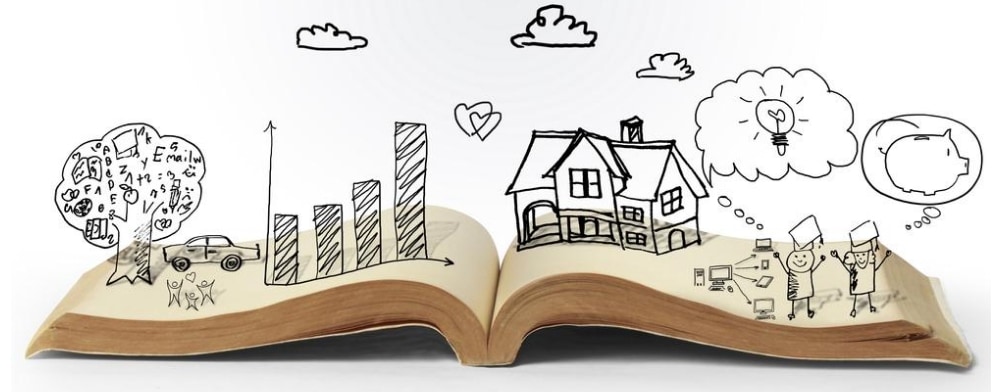
UX storytelling connects a person’s situation, goal, and difficulty with a design decision. It gives the team a sequence to follow rather than a pile of screens. Start by understanding the people and context behind the task; a compelling narrative should make evidence easier to grasp, not replace evidence with a fictional success story.
The original guide explored emotion, perspective, organization, persuasion, and brand stories. Those ideas are useful when the story stays clear about what was observed, what is inferred, and what the team proposes to change.
What storytelling contributes to UX design
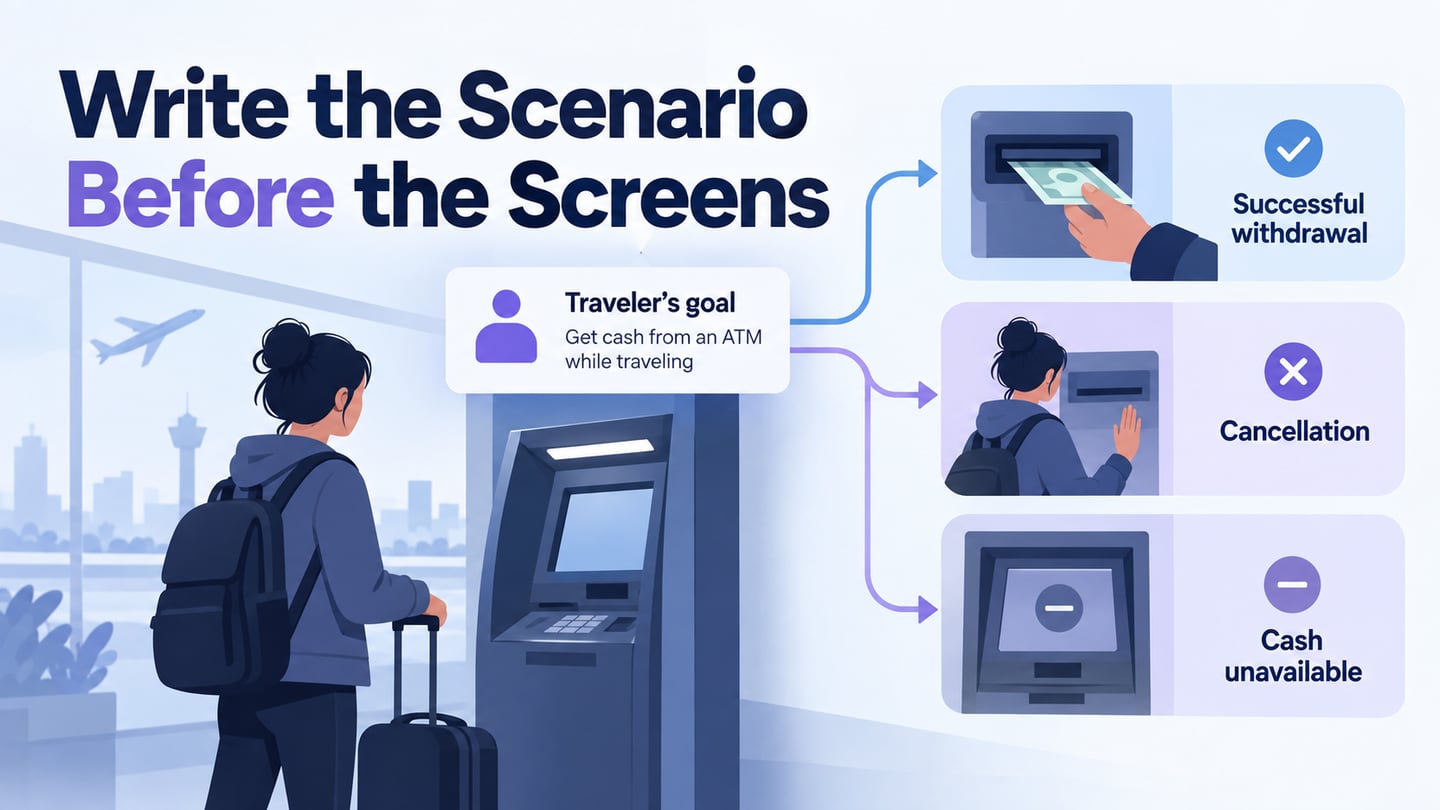
A story organizes events around a person trying to achieve something. In design work, that might be a short research account, a storyboard, or a walkthrough of a proposed experience. NN/g’s discussion of UX stories describes their role in communicating designs. Choose enough context to explain the problem without turning every presentation into a dramatic narrative.
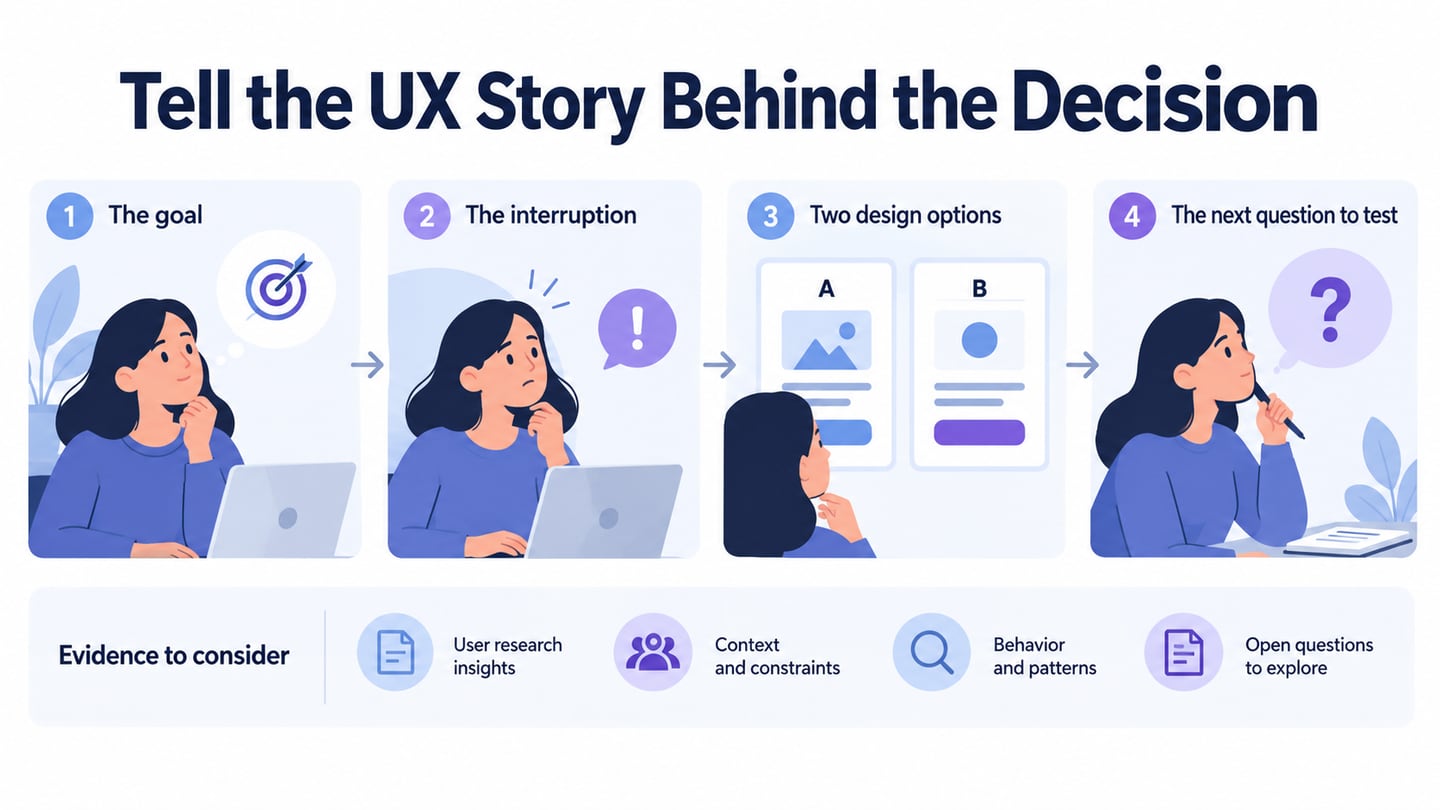
The audience should be able to answer three questions: what was the person trying to do, what interfered, and why does the proposed design address that difficulty? Preserve the source of a research observation, and label illustrative scenarios. Do not invent participant quotations, emotions, or business outcomes to make the account more persuasive.
The Power of Emotion
Emotion can help explain why a seemingly small interaction matters. An unclear confirmation may leave someone uncertain about whether a request was received. A familiar label may reduce hesitation. These possibilities should lead to questions for research, not assumptions about how every person feels.
User experience includes emotion, but it also involves usefulness, task performance, expectations, and service outcomes. A story about frustration is more useful when it identifies the moment, context, and evidence behind the feeling.
The original article used the visceral, behavioral, and reflective lenses associated with Don Norman’s work on emotional design. Use them as ways to discuss experience, not as a guarantee that a particular color or narrative will produce a predictable response.
Visceral: Consider the immediate impression of the design, such as whether the hierarchy feels clear or the screen seems overwhelming. People’s responses vary with context and prior experience.
A strong first impression can support attention, but it does not prove that a task is understandable. Follow the initial reaction with a realistic attempt to use the design.
Behavioral: Look at what it is like to use the product. The original hotel-search example is useful: can someone find the information needed to decide, compare alternatives, and understand what happens next?
The flight-booking example exposes the opposite problem: someone reaches the final step but cannot identify how to continue. The story should name the unclear action or feedback, rather than simply saying the experience was unpleasant.
Reflective: Consider the meaning people give the experience afterward, including how it fits their expectations and whether they would trust the service again. That reflection may change over time and can differ from a first impression.
For example, a signup that requests unexpectedly detailed personal information may make someone question why it is needed. Explain the purpose of the request and investigate whether the service is asking for more than the task requires.
Do not assume the person’s later opinion from a screenshot. Ask about the experience and distinguish their account from your interpretation.
Stories Can Help Us Understand the People We Design for
Designers bring their own knowledge and habits to a problem. A user’s context may be quite different. A story can make those differences visible when it includes the task, constraints, and evidence rather than treating the designer as a stand-in for the audience.
Use specific details that affect the decision: an interrupted task, unfamiliar vocabulary, a shared device, or uncertainty about the next step. Avoid decorative persona details that do not explain behavior.
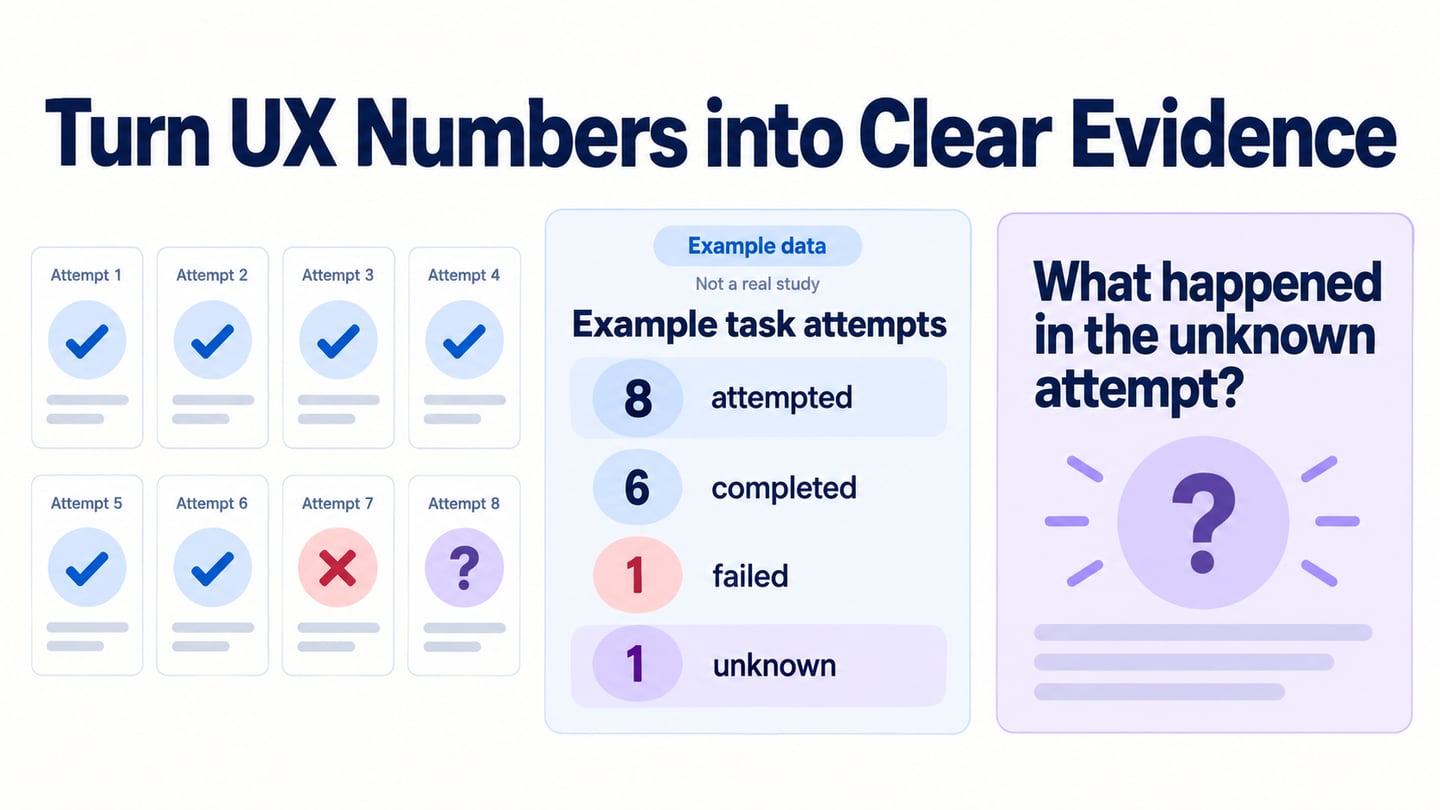
When several people behave differently, preserve the contrast. One smooth narrative should not erase a group whose needs challenge the proposed solution. A useful story makes the design question clearer while keeping those limits visible.
Stories Can Help Us Organize Information
Stories organize information into a sequence: situation, goal, obstacle, action, and outcome or open question. This can help the audience see why one screen follows another and why a small content change matters.
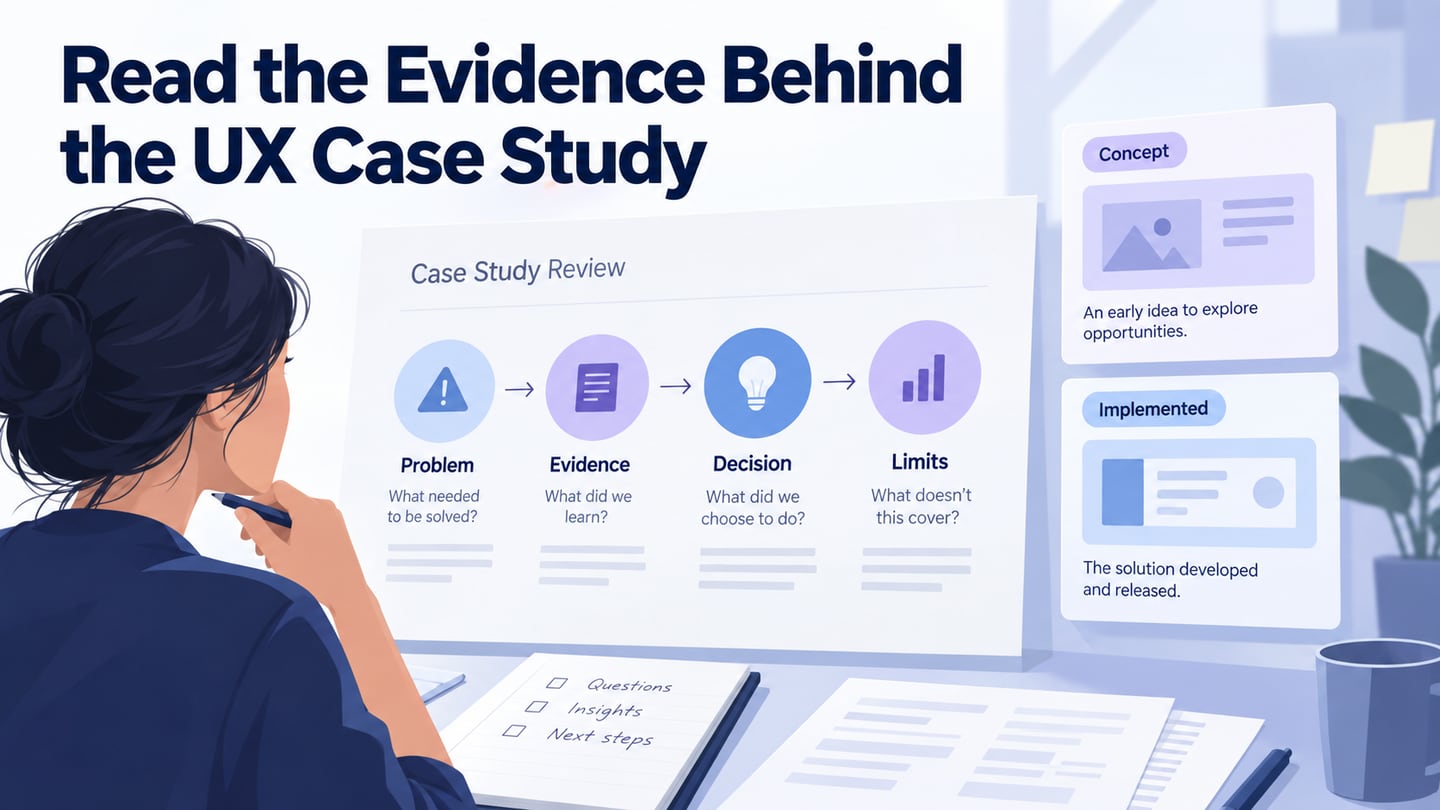
Keep research evidence close to the claim it supports. A short observation beside the relevant screen is easier to evaluate than a final slide full of unattributed quotes. If an image is a proposed state, label it as proposed.
Do not use an unsourced neuroscience claim to prove that storytelling works. For design communication, judge whether the audience understands the problem, can distinguish evidence from assumptions, and can explain the decision being requested.
Designers Can Use Storytelling to Deeply Understand Problems and Generate Solutions
A story can help a team examine the problem from another person’s perspective. Pause at the difficult moment and ask what information or action would help. Different answers can reveal competing assumptions before a screen is polished.
Imagine a resident reporting a broken streetlight from a phone. They know the nearby landmark but are unsure whether the map pin identifies the correct light. A useful storyboard shows that uncertainty and the need to verify the location. It does not claim that a new design has reduced repair time; that outcome would depend on the whole service.
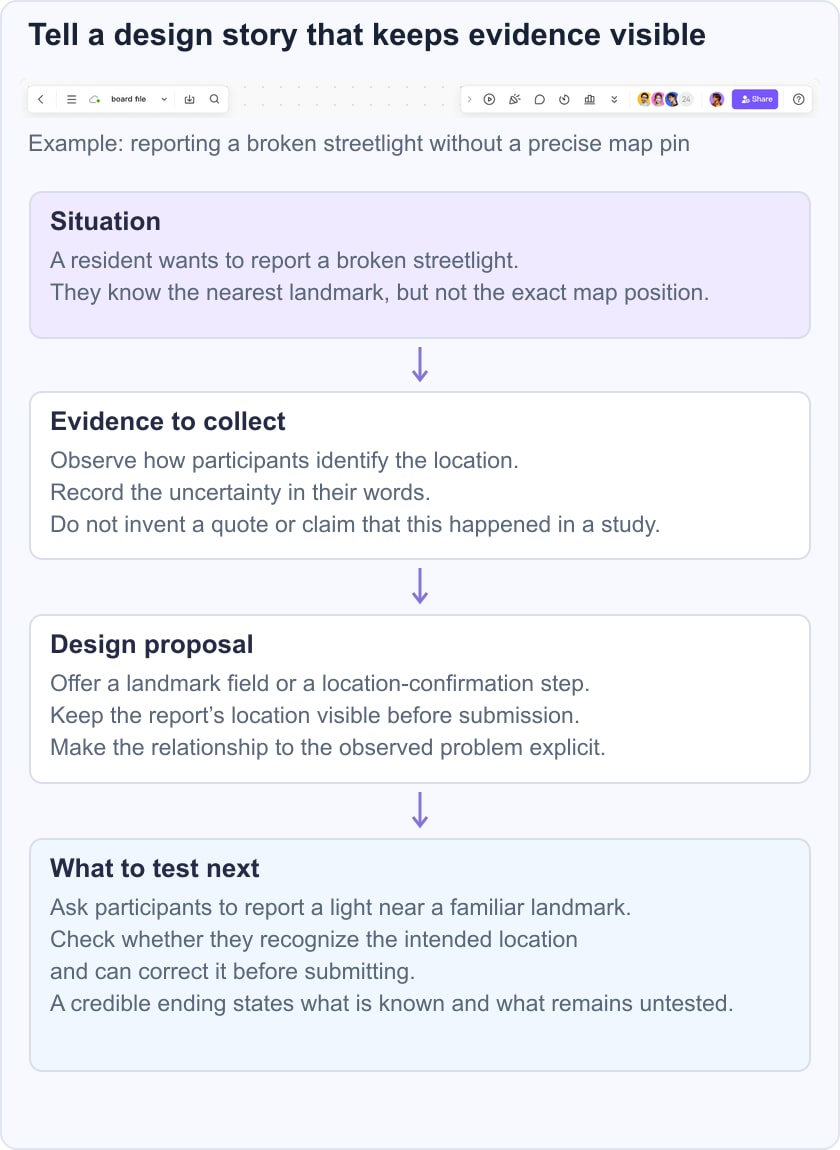
In a Mockitt board, place the situation, obstacle, and two possible responses side by side: a clearer landmark field, or a map confirmation with a recognizable location description. Mark the alternatives as proposals. Then build the selected route as a short interactive prototype so reviewers can inspect what the resident sees before submitting.
End the story with a question to test: can a participant tell which location will be sent, and can they correct it before submission? Show the confirmation reference as part of the proposed experience. The storyboard explains the decision; the prototype makes the interaction reviewable.
An open-ended story is useful during ideation because it gives teammates the same problem without prescribing one solution. Record why an option was selected and which assumptions still need checking. Agreement in a workshop is a design decision, not a research result.
Stories Can Help Us Persuade
Persuasion in UX work should mean explaining a recommendation honestly. State the evidence, the tradeoff, and the uncertainty. Repeating a fiction until it feels familiar is not a sound way to obtain approval for a product decision.
A decision-maker should be able to challenge the story: what evidence supports it, which people it represents, and what could make the proposed solution fail. Include that information rather than hiding it behind an emotional conclusion.
Use brand stories without confusing them with usability evidence
Brands use stories to express identity and help an audience understand what they stand for. A product team can learn from their clarity and consistency, but a memorable brand narrative does not demonstrate that a particular interface is usable.
The original Nike example illustrates a recognizable connection between sport and achievement. That is a communication example, not evidence that copying its language will increase sales or improve a different service.
For a UX story, translate the lesson into a clear connection between a person’s goal and the experience you are designing. Keep the promise proportionate to what the product actually supports.
If the interface cannot deliver the promised outcome, a stronger story may only make the gap more noticeable. Align the narrative, content, and service behavior before optimizing the emotional appeal.
Stories Can Help in Conveying the Idea Better
A story is ready to share when someone unfamiliar with the project can explain the task, the obstacle, and the proposed response. Keep diagrams and screenshots close to the point they illustrate.
For a live UX presentation, end with the decision or feedback you need. For a written case study, include the limits and what you would investigate next. Neither format needs a dramatic ending if the outcome is still unknown.
Conclusion
Use storytelling to make a design problem understandable and discussable. Preserve the person’s perspective, show the evidence behind the account, and distinguish the existing experience from the proposal.
A useful story leaves the team with a clearer next action: test a label, compare two routes, resolve a service dependency, or gather missing evidence. That is a stronger result than making an unsupported success story sound convincing.