New practical guides

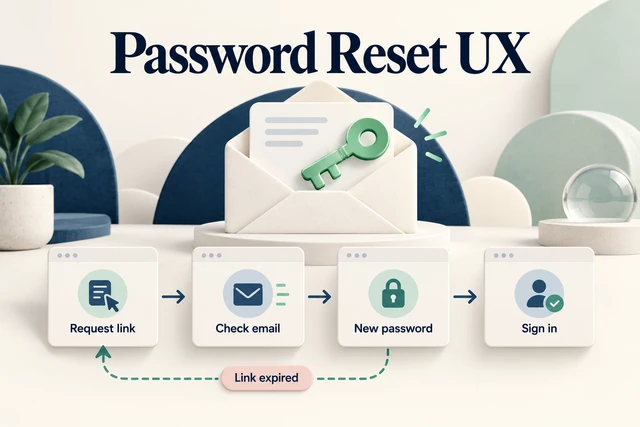
Password Reset UX: Design the Request, Email, and Recovery Flow

Design a clear password reset flow from request and email to expired-link recovery, a new password, and sign-in. Follow one practical account-recovery example.

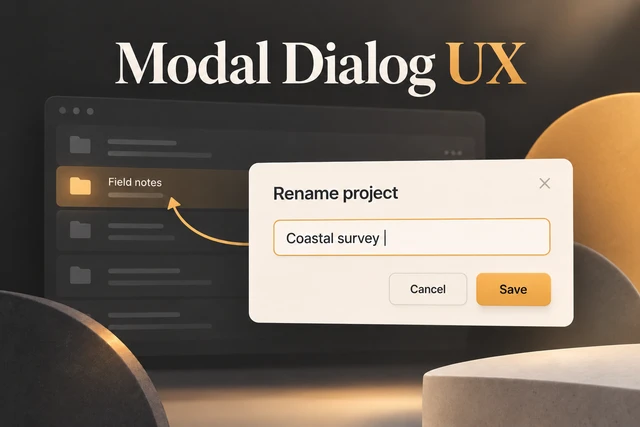
Modal Dialog UX: When to Use One and How to Return to the Task

Choose a modal, inline editor, or page. Follow a project-rename example through Save, Cancel, errors, focus return, and mobile layout.

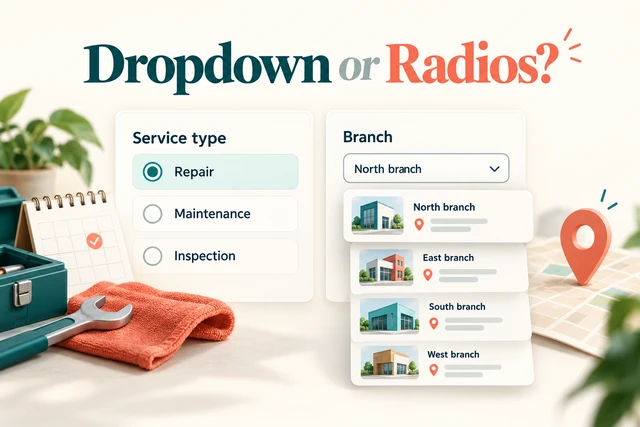
Dropdown vs Radio Buttons: Choose the Right Single-Select Control

Compare radio buttons and dropdowns by option visibility, meaning, list length, and defaults. Apply the choice to a service-booking form.

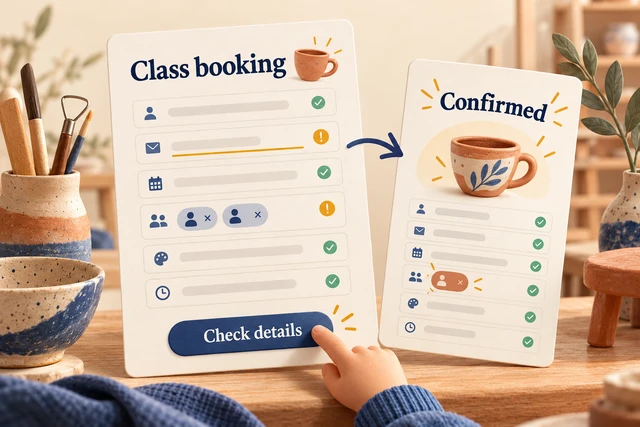
Form Validation UX: Show Errors at the Right Time

Choose when to validate a form, write useful errors, and preserve answers. Follow a class-booking example through corrections, availability conflicts, and success.

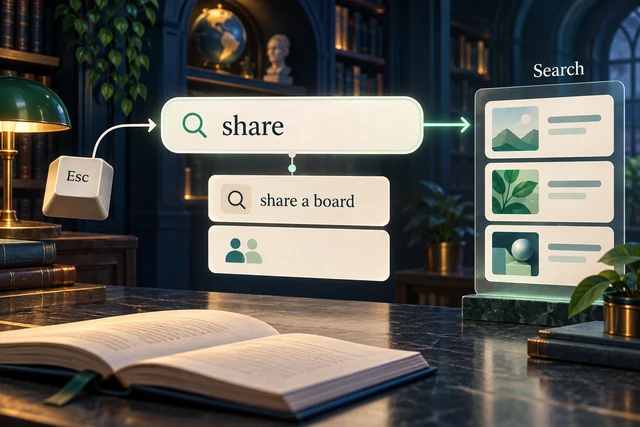
Search Autocomplete UX: Suggestions, Selection, and Escape

Design search suggestions that preserve the query. Define selection, Enter and Escape, late responses, and no-suggestion recovery with a help-center example.

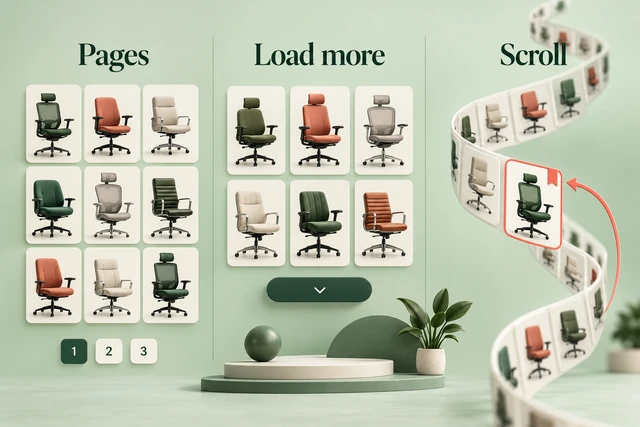
Pagination vs Infinite Scroll: Choose for the Browsing Task

Compare pagination, Load more, and infinite scroll by task. Design clear loading and return behavior with an office-chair catalog example.

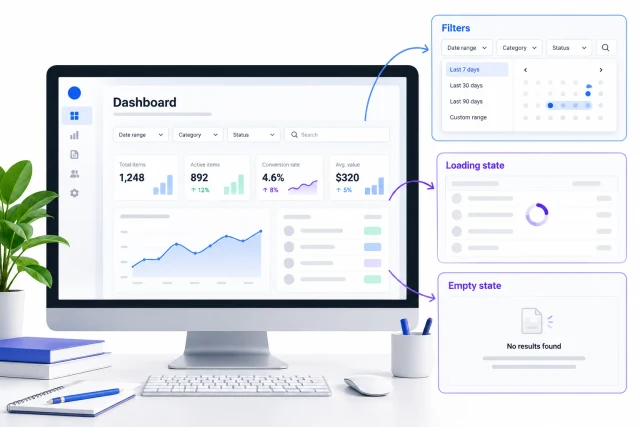
Dashboard Prototype: Design Data States, Filters, and Empty States

A practical dashboard prototype workflow for mapping filters, loading states, empty states, and review decisions before implementation.

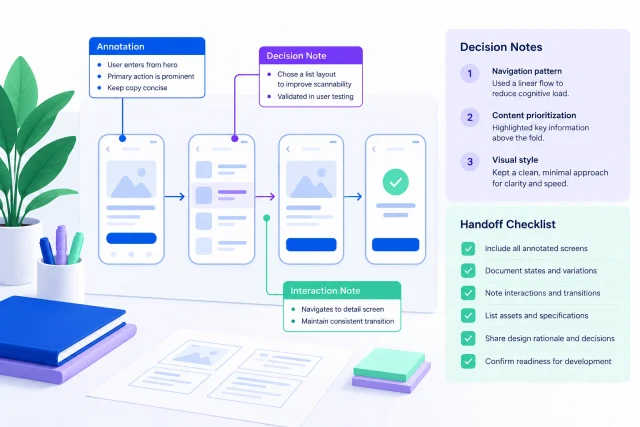
Prototype Documentation: What to Record for Review and Handoff

Learn what prototype documentation should capture so reviewers, designers, and engineers share the same flow, states, decisions, and open assumptions.

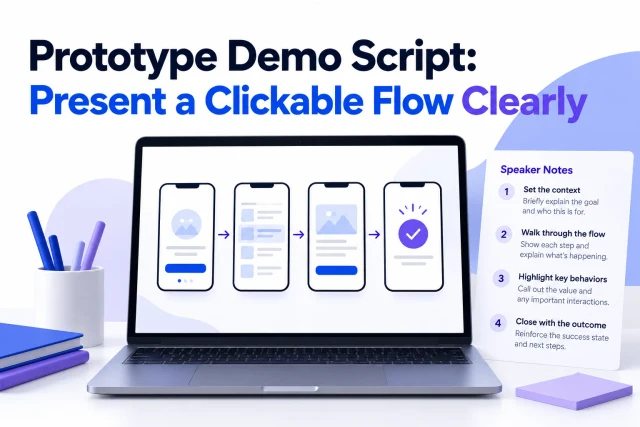
Prototype Demo Script: Present a Clickable Flow Clearly

Use this prototype demo script to present one clickable task flow, explain state changes, collect decisions, and end with a clear next step.

A deadline, scattered receipts, and a complete expense packet illustrate the progress behind a customer job.

Use Jobs to Be Done to separate customer progress from feature requests. Write a job statement, compare alternatives, and turn research into a product decision.

Research notes form two learning-behavior profiles instead of demographic stereotypes.

Create useful user personas from goals, behavior, and constraints. Use a practical profile template and a worked example without inventing demographic stories.

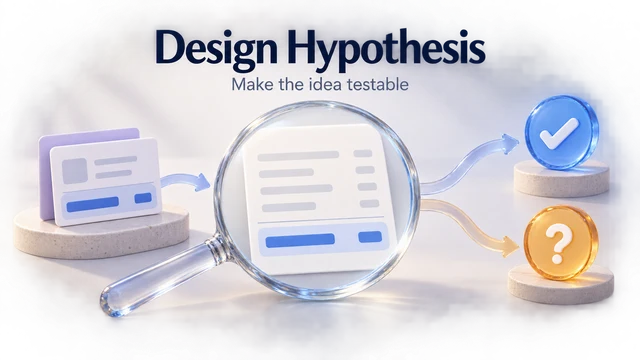
A design hypothesis connects a proposed change, expected behavior, and evidence that could challenge it.

Turn a design idea into a testable hypothesis. Define the expected behavior, evidence, and disconfirming result, then choose an appropriate prototype or live test.

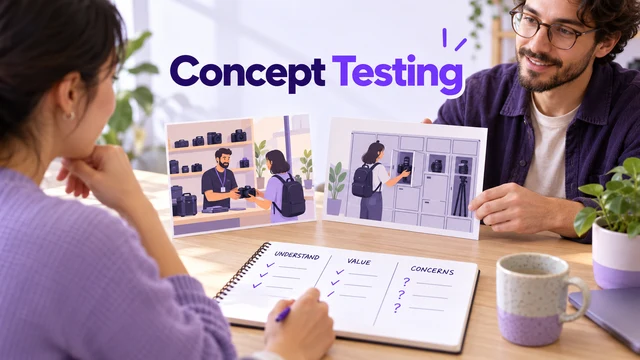
A researcher discusses two early equipment-borrowing concepts and records understanding, value and concerns.

Plan a concept test with a clear stimulus, neutral interview questions, and an evidence table that helps you decide whether to advance, change, or stop an idea.

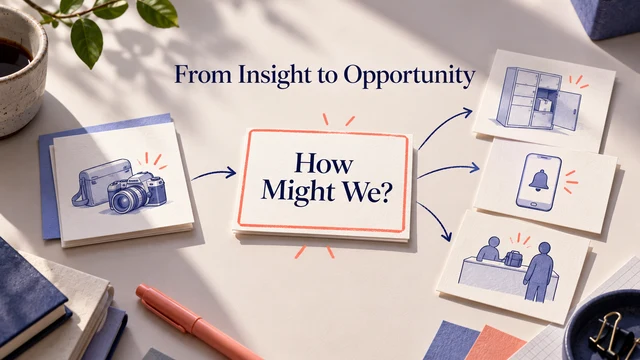
A research observation leads to a How Might We question and several possible responses.

Write How Might We questions that open useful design options. Compare broad and narrow examples, set boundaries, and choose a prompt grounded in evidence.

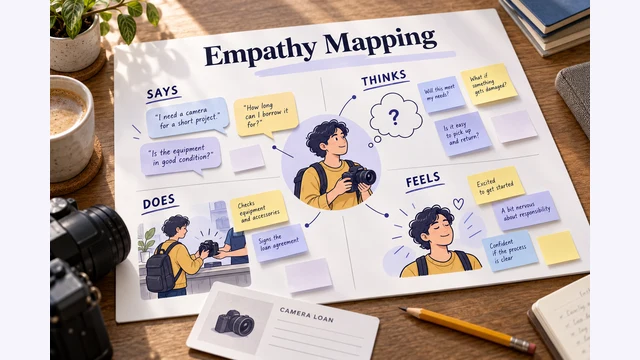
Four empathy-map quadrants connect an equipment borrower’s statements, thoughts, actions and feelings.

Learn how to make an empathy map from research notes, separate evidence from assumptions, and use a worked example to decide what to investigate next.

UX Research Plan Template: Goals, Questions, Methods, and Recruitment

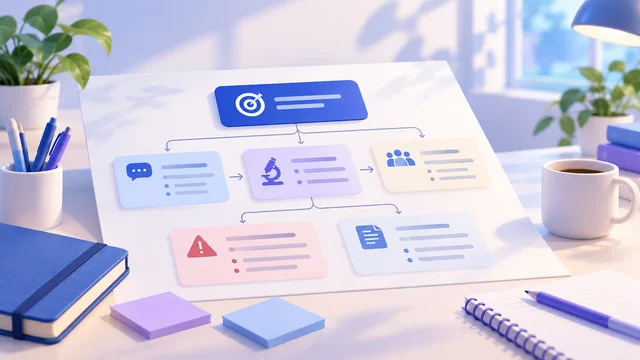
Build a UX research plan around a decision, with observable questions, a fitting method, recruitment notes, risks, and an evidence plan.

Affinity Mapping in UX Research: Turn Notes into Defensible Themes

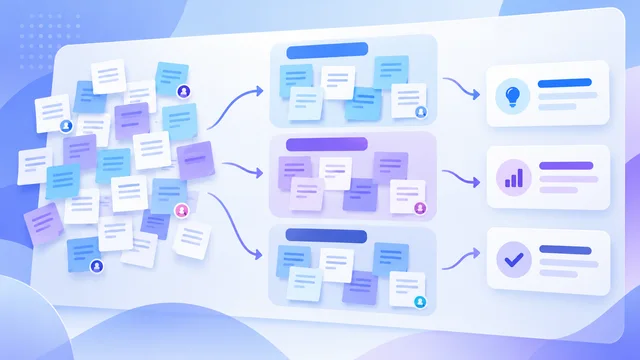
Cluster research notes without losing source context, disagreements, or participant IDs, then turn traceable groups into useful themes.

Empty State UX: Design First-Use, No-Result, and Recovery Screens

Design first-use, no-results, filtered, and recoverable-error states with clear explanations, useful actions, and accessible recovery paths.

UX Content Testing: Find Out What Readers Understand and Do

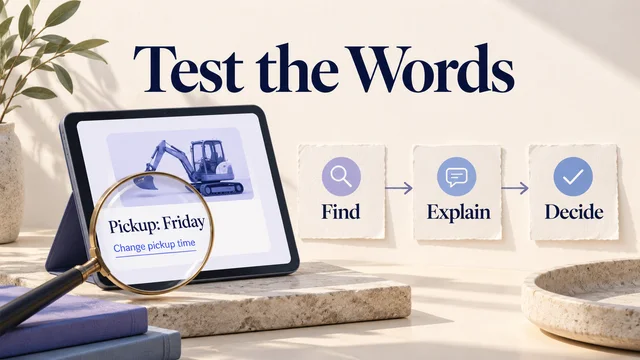
Test interface content with realistic tasks and paraphrase questions. Separate finding, understanding, and acting on copy with an equipment-booking example.

Participatory Design Workshops: Create Product Ideas With Users

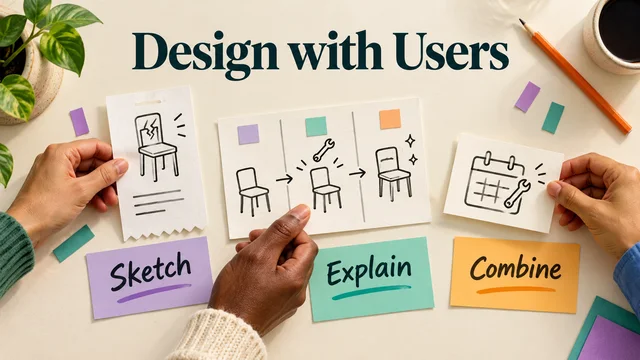
Plan a co-design workshop where users make and explain alternatives. Use a repair-handover example to preserve their reasoning and develop a focused prototype.

UX Research Repository: Make Past Findings Useful for New Decisions

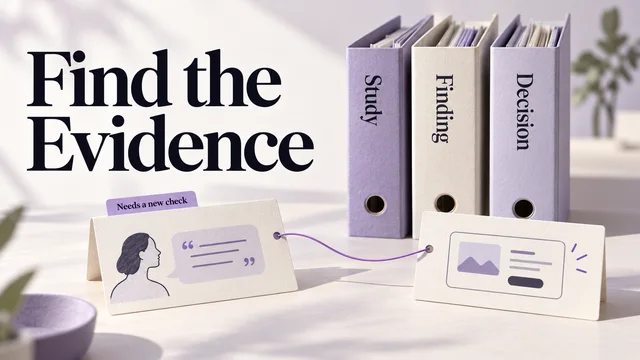
Build a research repository around real retrieval questions. Connect findings to study context, access and review triggers, then carry evidence into design decisions.

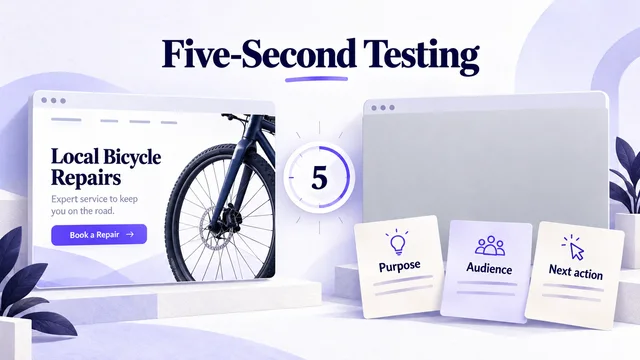
Five-Second Testing: Check What People Understand at First Glance

Plan a five-second UX test with a realistic screen, neutral recall questions, and a worked example. Turn first impressions into a specific design revision.

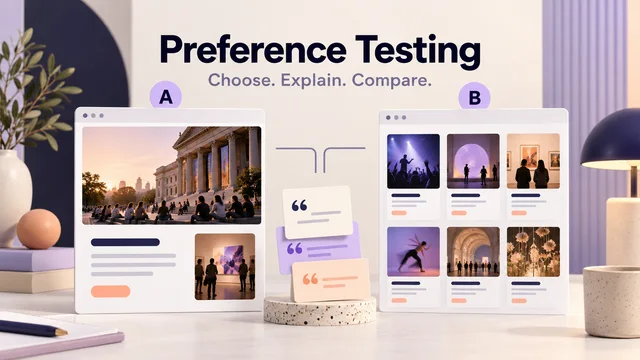
Preference Testing: Compare Design Directions and Understand Why

Plan a UI preference test with comparable designs, neutral questions, and a course-card example. Interpret choices without confusing preference with usability.

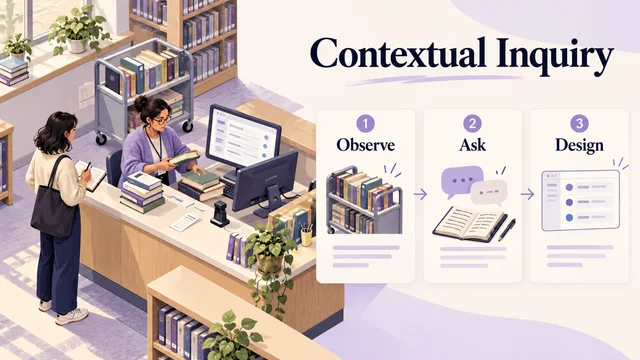
Contextual Inquiry: Observe Real Work Before Designing the Workflow

Learn how to run contextual inquiry, ask neutral questions, separate observation from interpretation, and turn a library-workflow example into a prototype task.

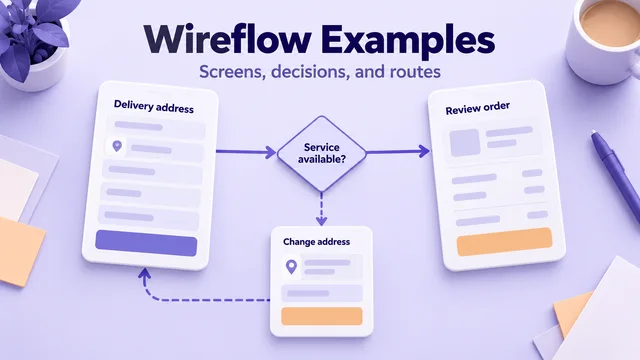
Wireflow Examples: Connect Screens, Decisions, and Recovery Paths

Learn how to draw a wireflow with screen states, labeled actions, and recovery paths. Follow delivery-address and saved-filter examples before prototyping.

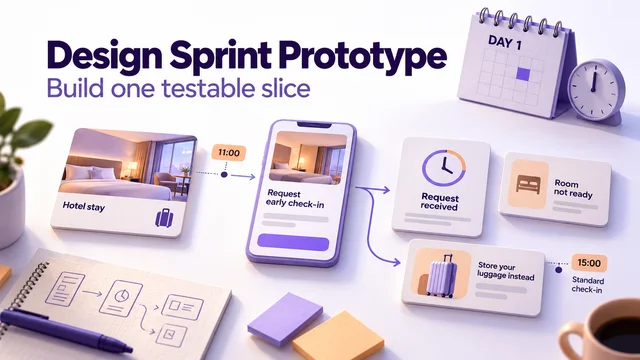
Design Sprint Prototype: A One-Day Build Plan

Build a design sprint prototype in one day: scope the task, divide the work, connect realistic screens, and rehearse a hotel early-check-in example.

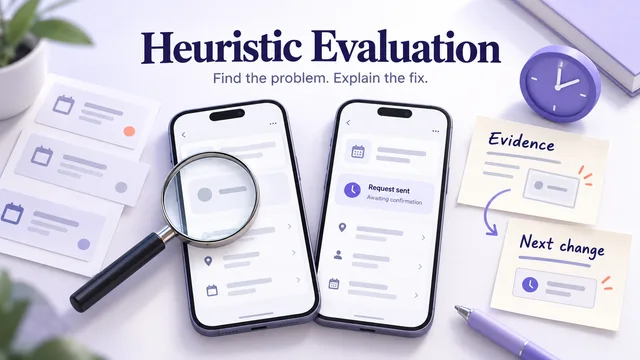
Heuristic Evaluation: Review a Prototype and Prioritize Findings

Run a heuristic evaluation of a prototype with a focused task, independent reviews, concrete issue records, and a worked booking-flow example.

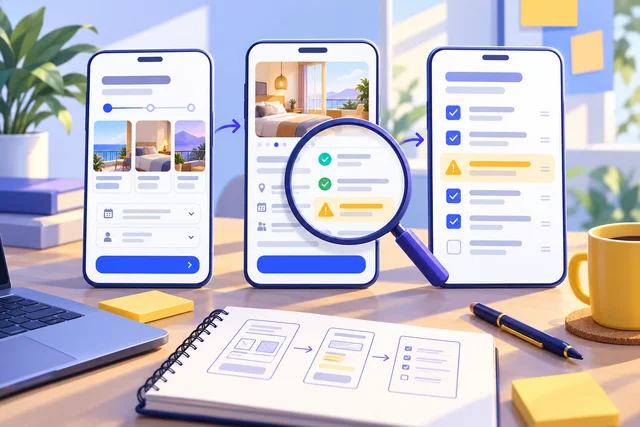
Editorial illustration of an AI-generated hotel booking prototype being checked against task states and handoff notes

Use this AI prototype evaluation checklist to review task coverage, states, accessibility, recovery paths, and handoff evidence before a generated draft moves to implementation.

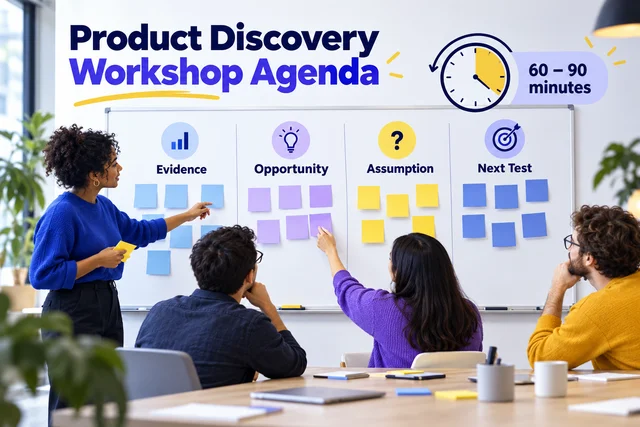
Editorial illustration of a product discovery workshop board moving evidence into an opportunity and prototype decision

Run a focused product discovery workshop with a 60–90 minute agenda, evidence lanes, assumption ranking, and a clear next prototype test your team can own.

Editorial illustration of an accessible login prototype showing keyboard focus, zoom, and error recovery checks

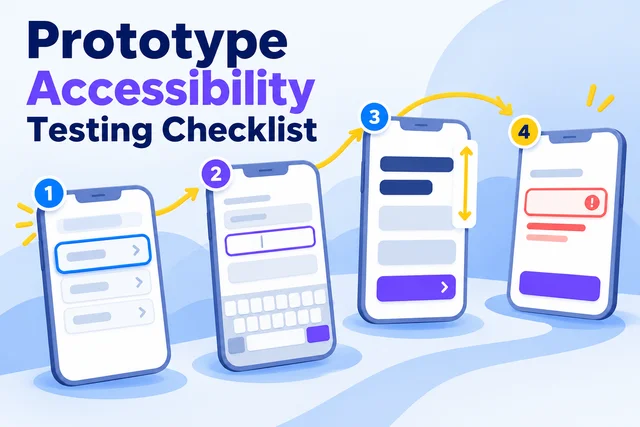
Review prototype accessibility with keyboard, focus, labels, error recovery and layout checks. Separate visible design decisions from behavior that needs testing in code.
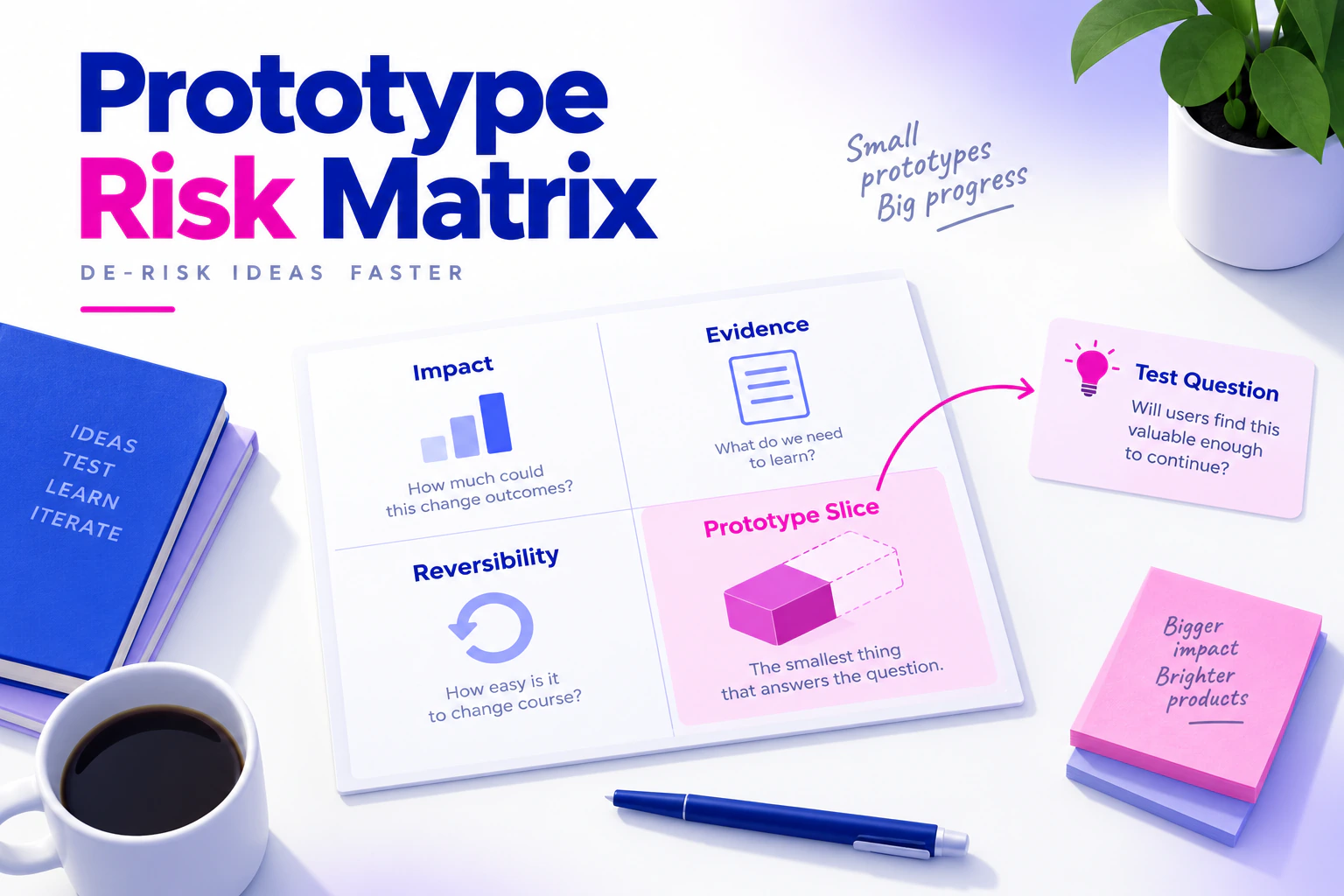
Prototype Risk Matrix: Decide What to Test Before You Polish

Use a prototype risk matrix to prioritize uncertainty, choose a focused prototype slice, and set a clear stop or continue rule before polishing.

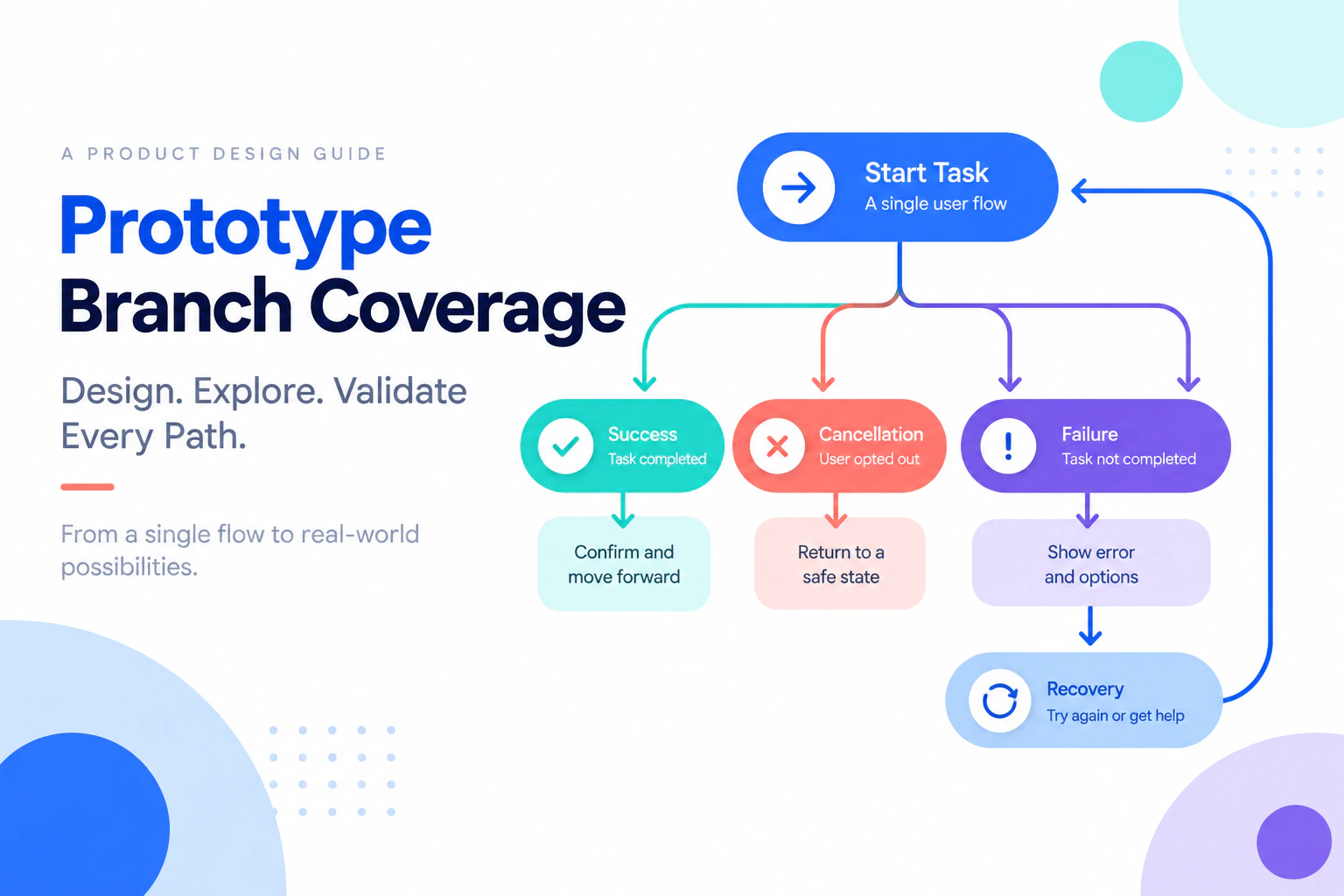
Prototype Branch Coverage: Check Alternate Paths Before Review

Audit the success, cancellation, failure, and recovery paths in an interactive prototype with a practical branch coverage checklist.

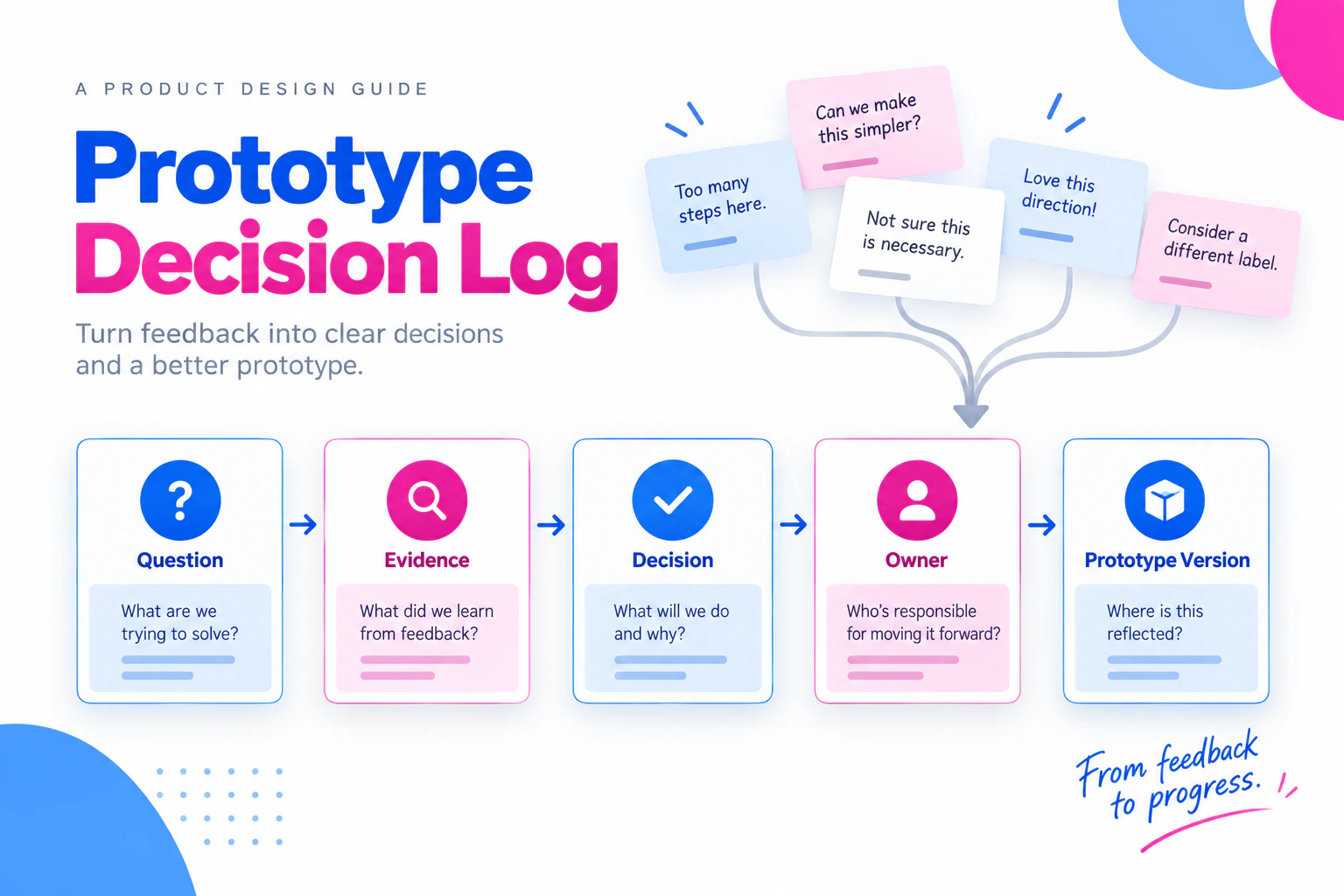
Prototype Decision Log: Turn Review Comments into Traceable Actions

Turn prototype review comments into traceable questions, evidence, decisions, owners, and versioned follow-up actions.

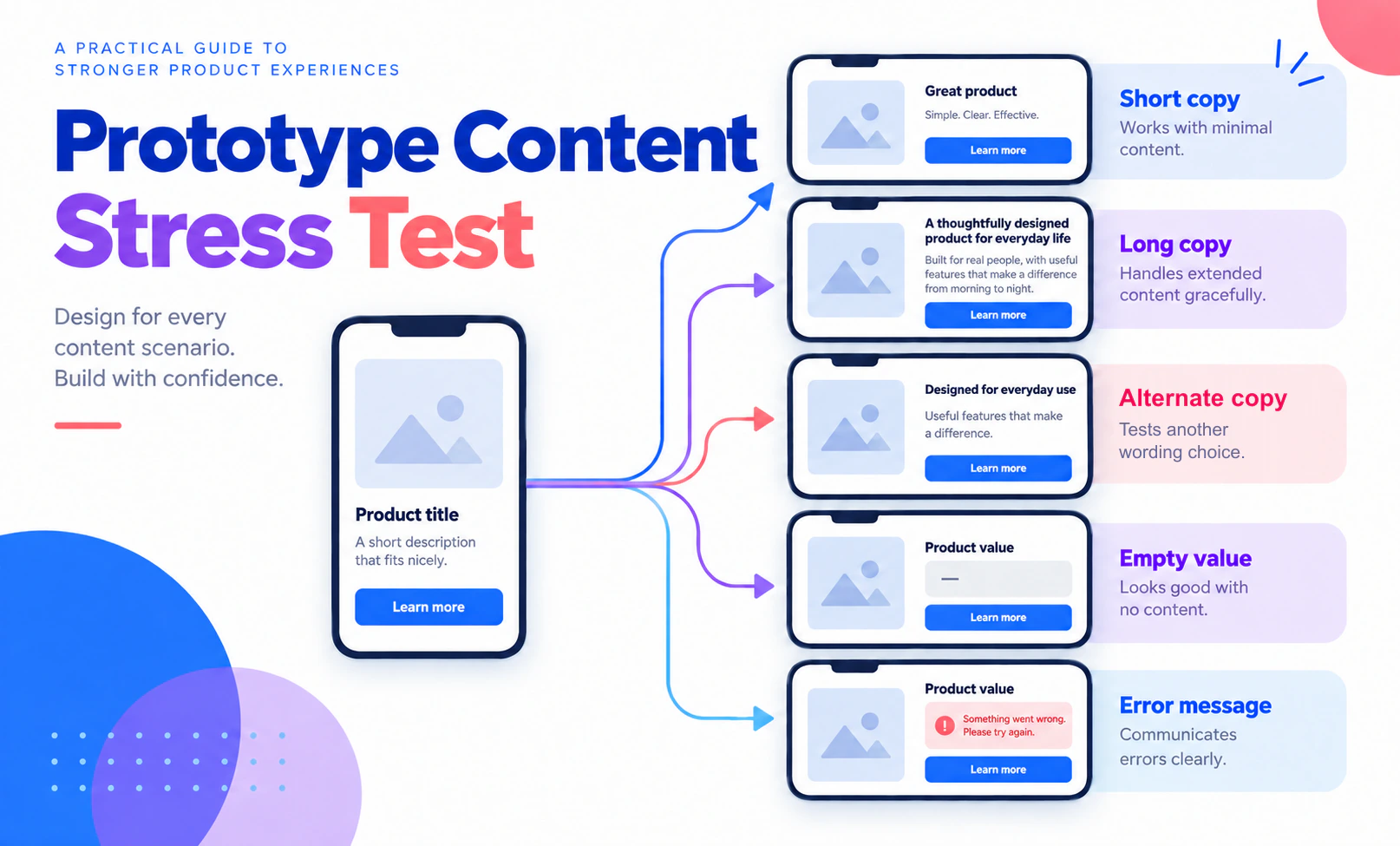
Prototype Content Stress Test: Design with Realistic Copy and Data

Stress-test a prototype with realistic short, long, translated, empty, and error content before handoff.

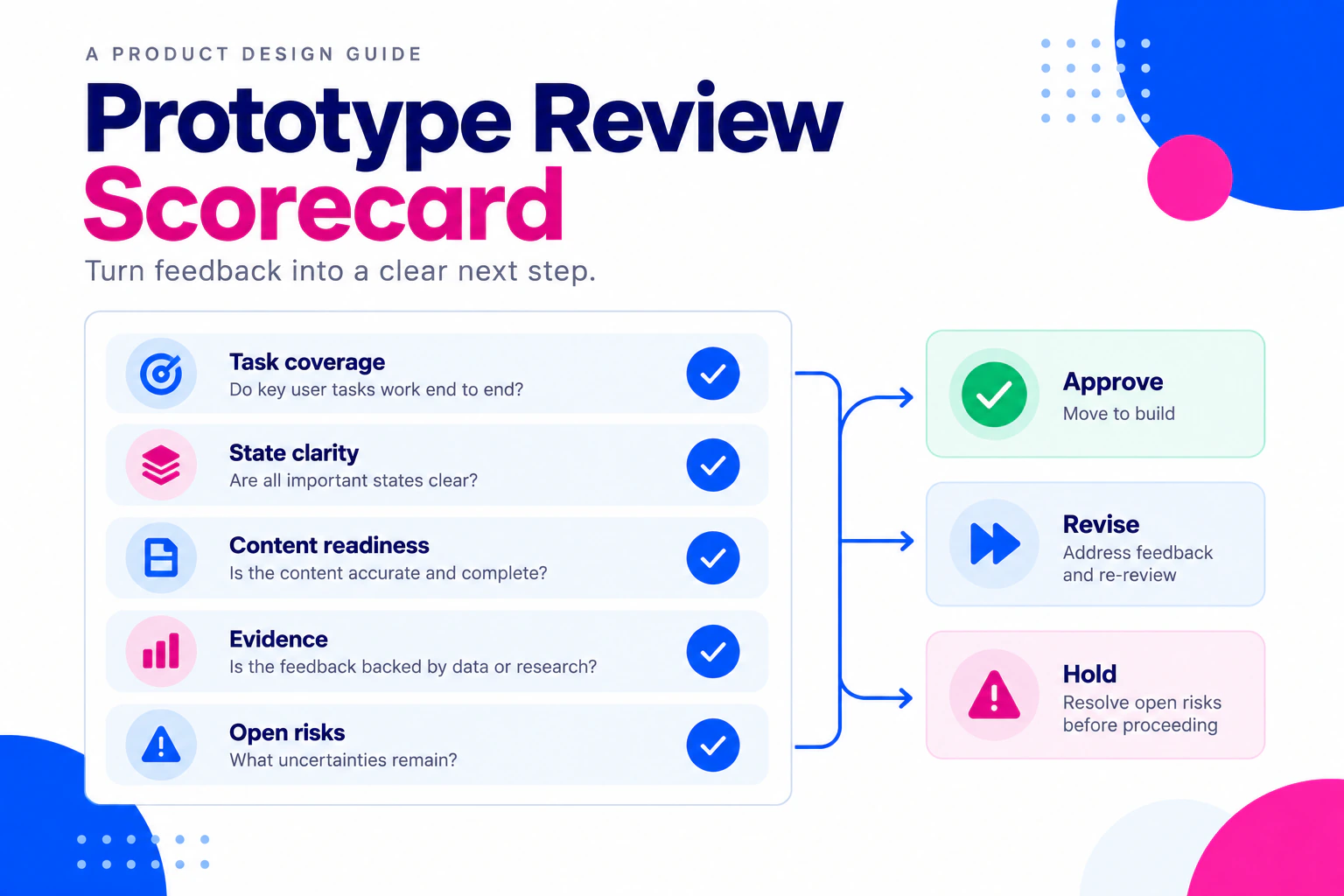
Prototype Review Scorecard: Decide What Is Ready for the Next Step

Use a prototype review scorecard to decide whether a flow is ready for research, implementation, or another design iteration.

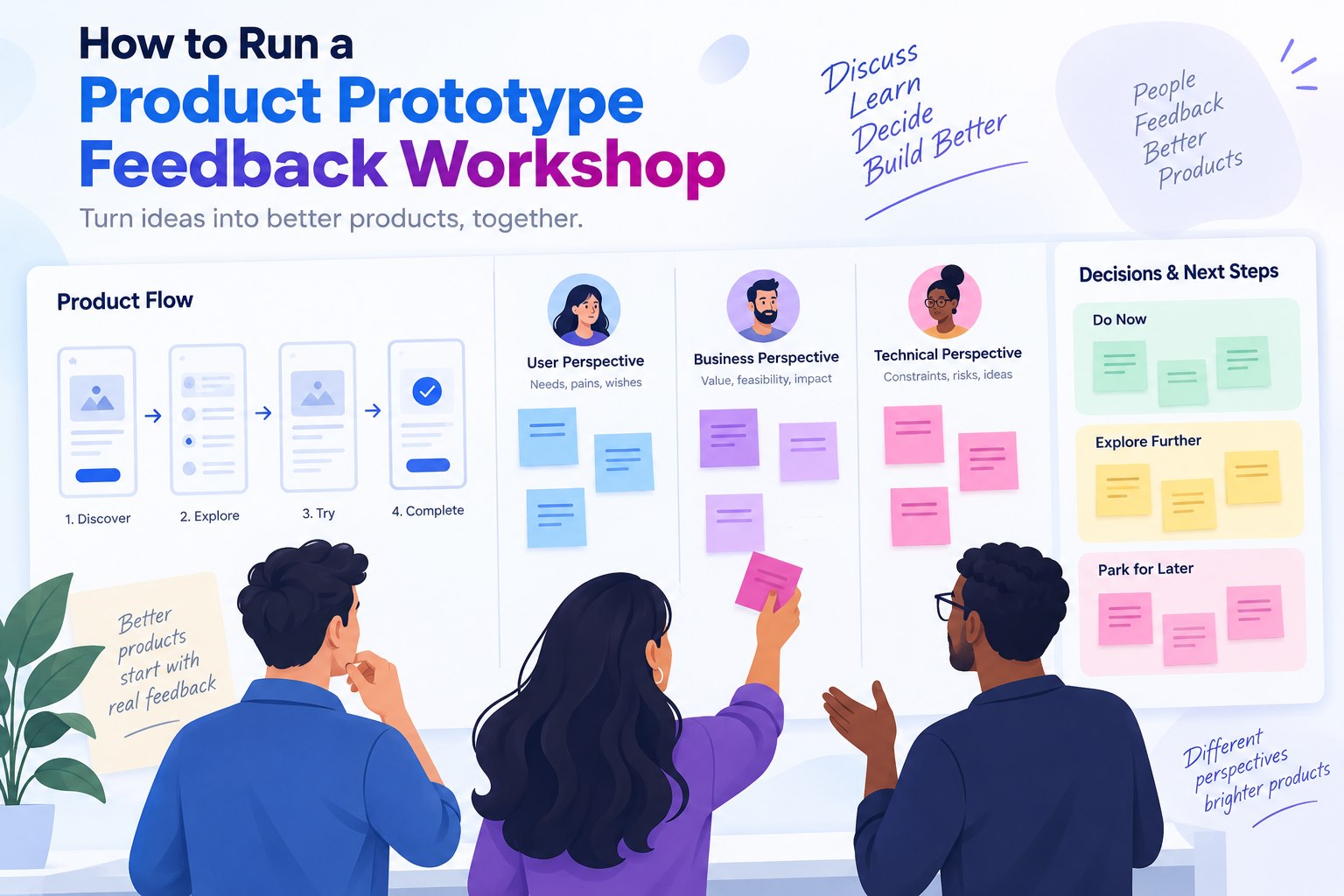
How to Run a Product Prototype Feedback Workshop

Learn how to run a product prototype feedback workshop with focused tasks, neutral prompts, observation notes, and decisions your team can test.

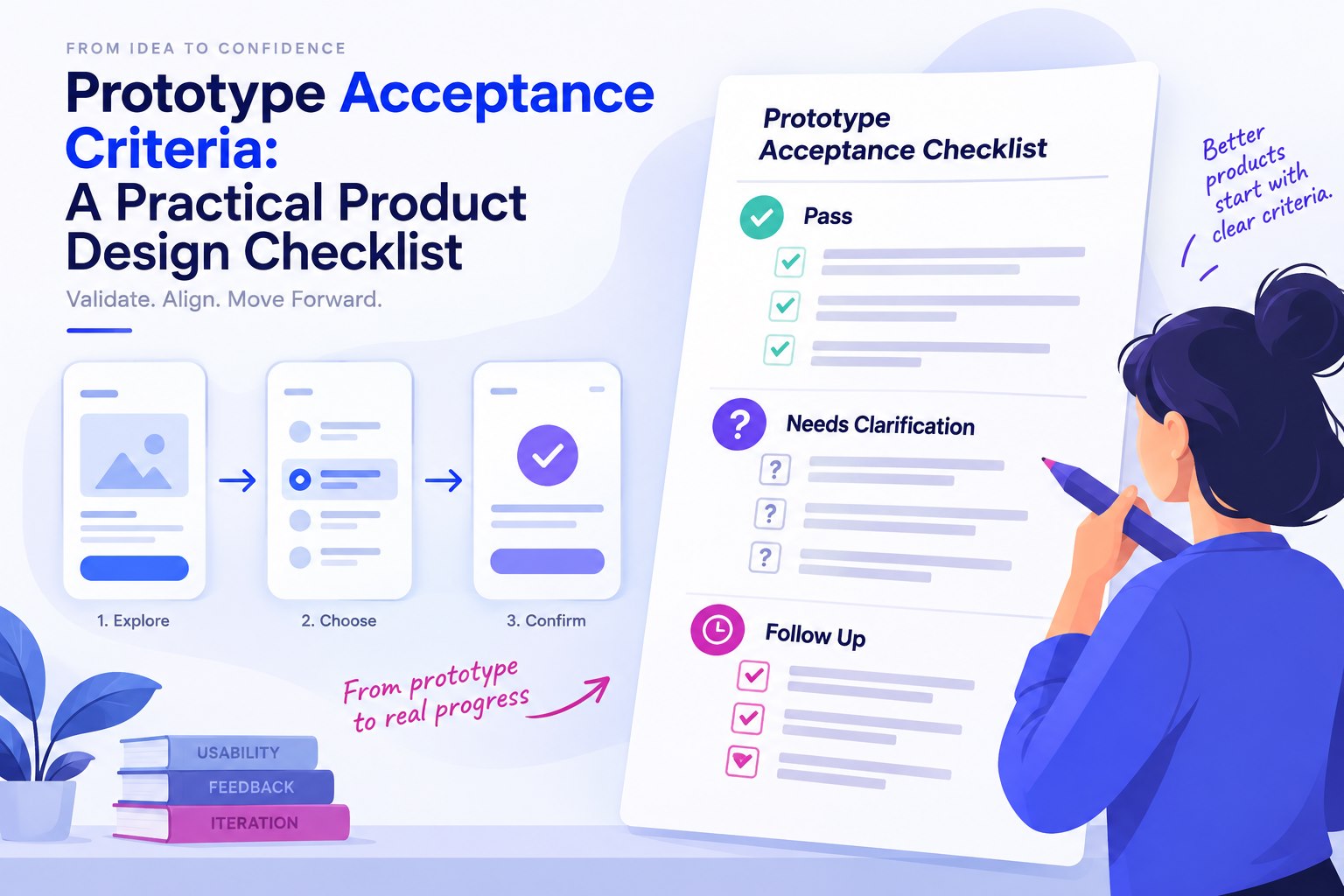
Prototype Acceptance Criteria: A Practical Product Design Checklist

Use this practical prototype acceptance criteria checklist to review flows, states, accessibility, content, and handoff readiness.

AI Prototype Prompts: Patterns for Turning Requirements into Screens

Use reusable AI prototype prompt patterns to turn product requirements into reviewable screens, states, and flows with clear human checks.
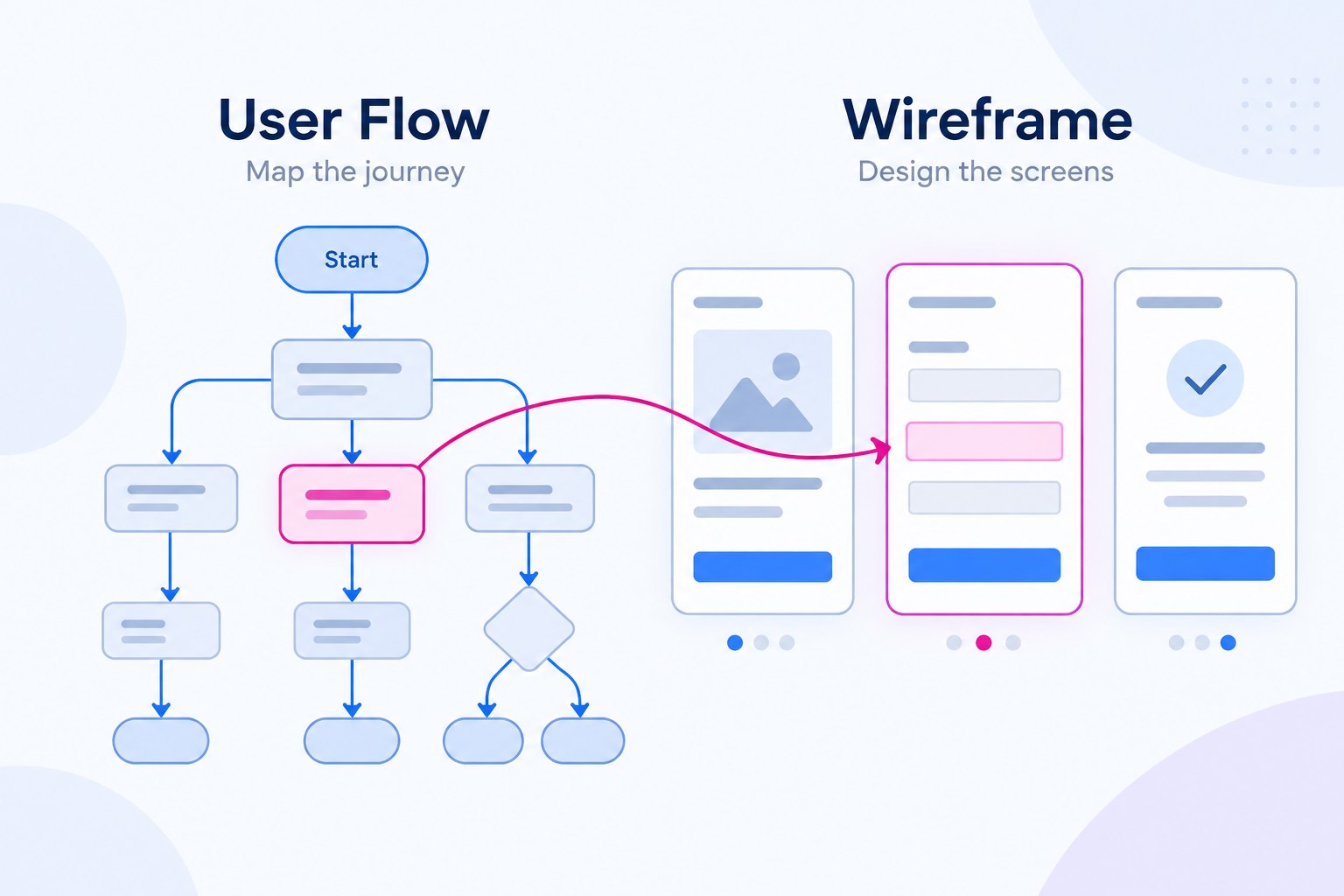
User Flow vs Wireframe: What to Create First

Compare user flows and wireframes, decide what to create first, and connect both artifacts into a testable product prototype.
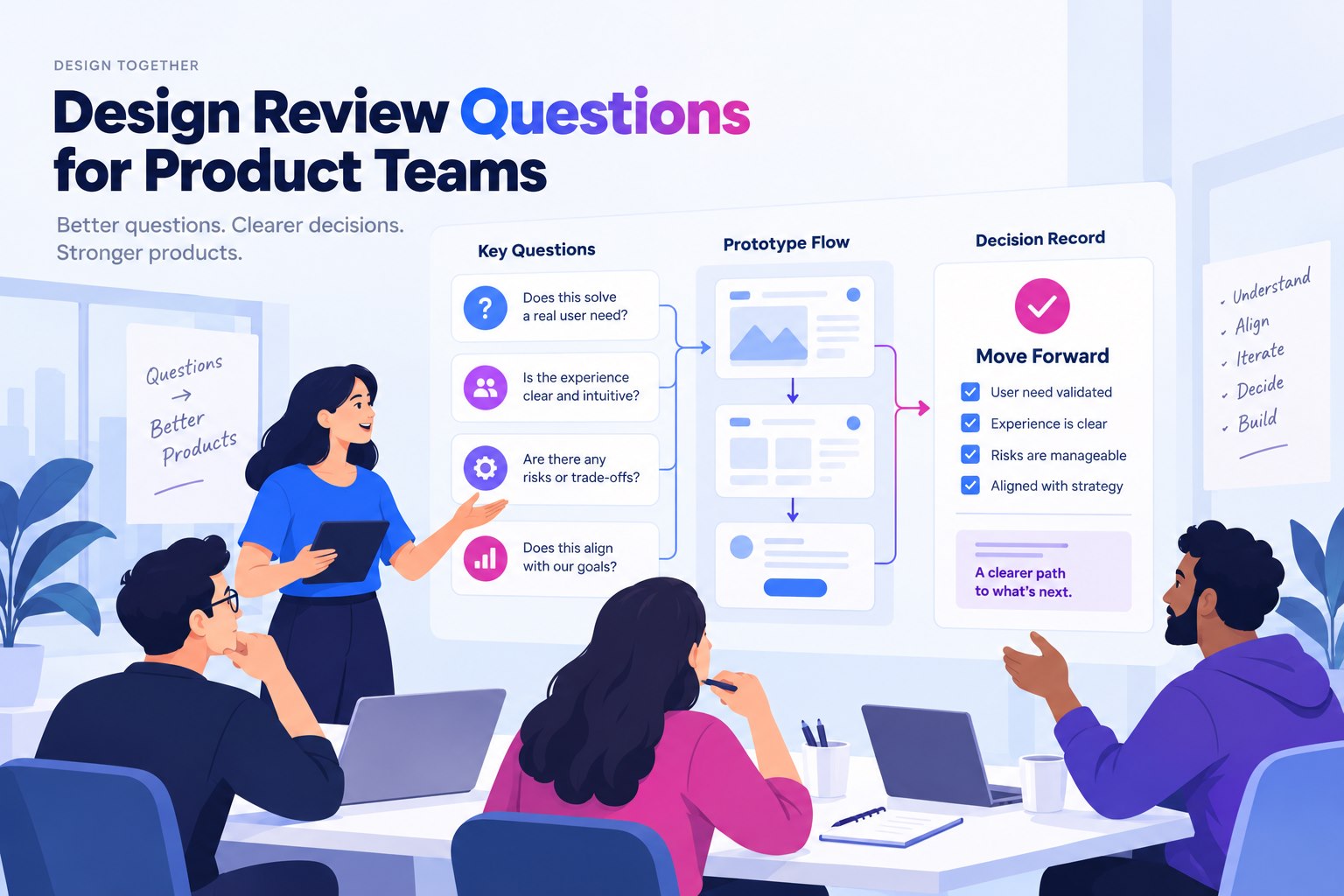
Design Review Questions for Product Teams

Use focused design review questions to assess users, flow, accessibility, feasibility, evidence, and the next product decision.