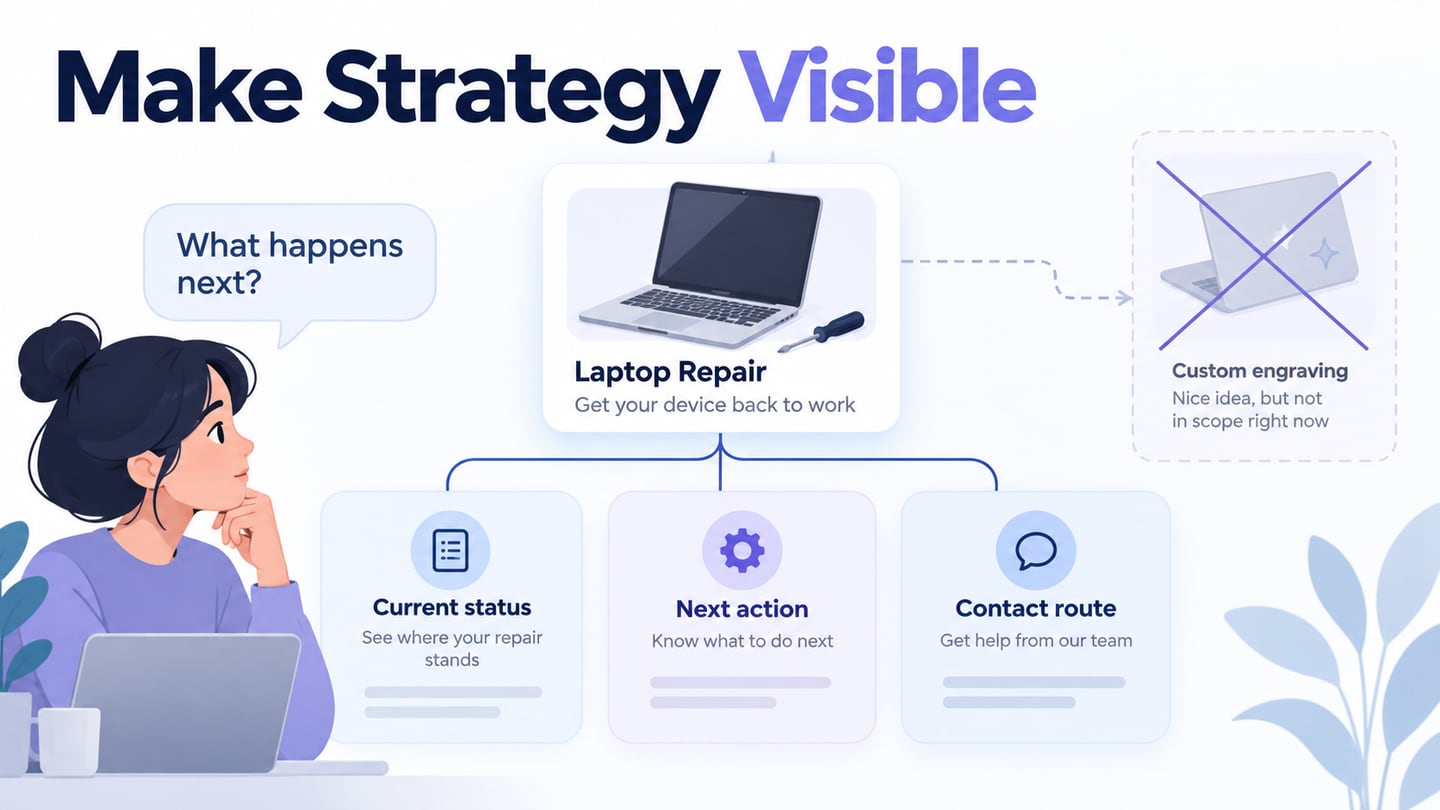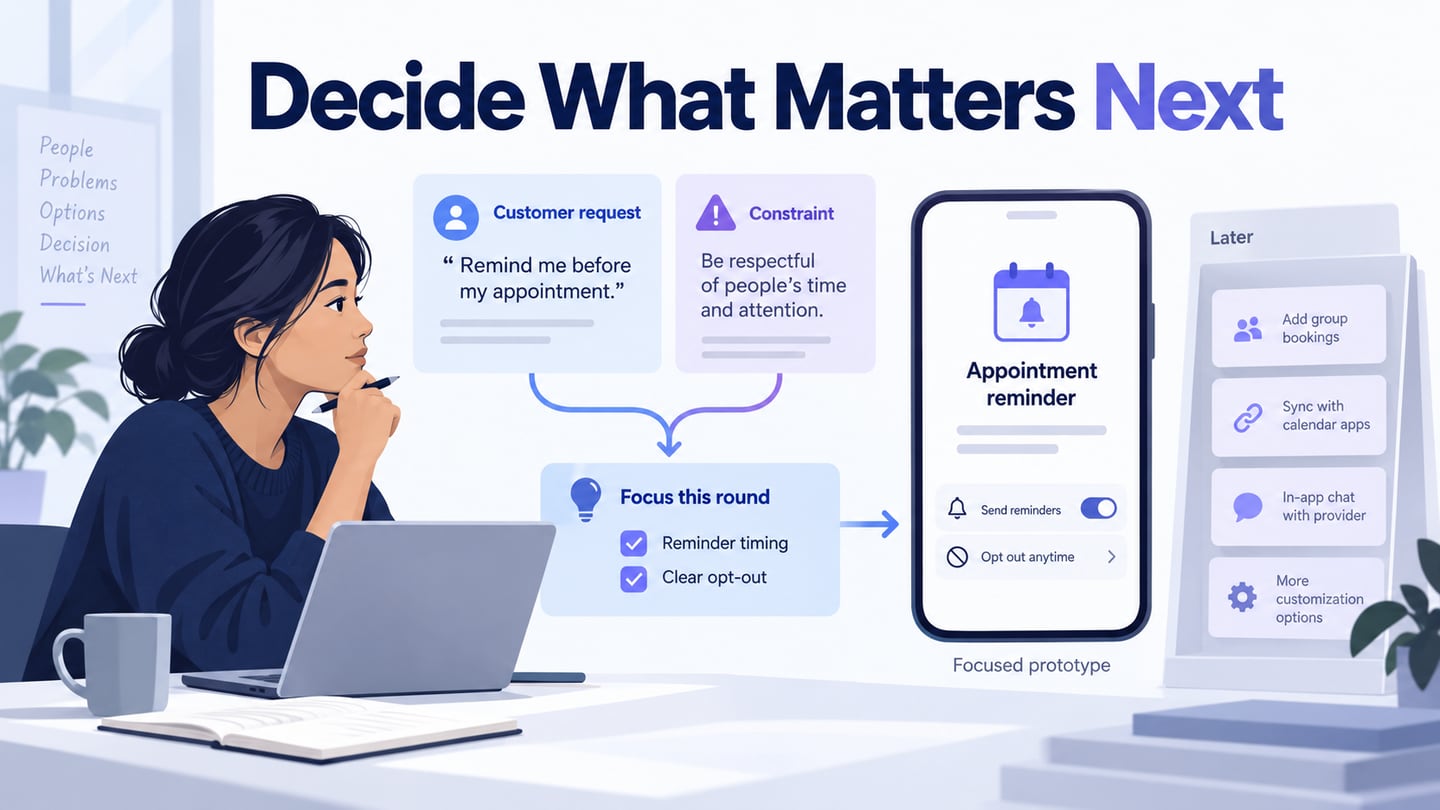
Product management coordinates the decisions that connect customer needs, business goals, and the work of building and improving a product. It spans discovery, prioritization, delivery, and learning after release. A product roadmap can communicate the resulting direction, but the work also includes deciding what evidence is needed and which requests should not become features.

What is Product Management?
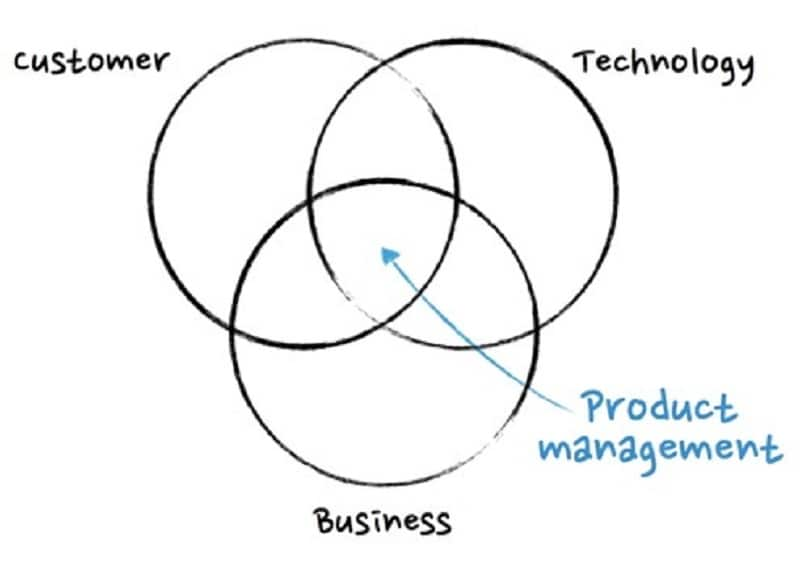
Product management helps an organization decide which problems a product should solve and how to evaluate the outcome. It considers the product across its life, from early ideas through delivery, support, improvement, and sometimes retirement. The exact responsibilities vary with the organization and the nature of the product.
Product managers typically work with design, engineering, research, commercial teams, and other specialists. They help clarify priorities and tradeoffs rather than performing every discipline themselves. Decisions about cost, accessibility, privacy, and feasibility need the people responsible for those areas; a product manager’s approval is not a substitute for their expertise.
A central responsibility is connecting feedback with decisions. Collecting a request is different from proving that the requested feature is the best answer. Product managers investigate the underlying need, compare alternatives, and explain why work is selected, deferred, or rejected.
The process links planning, research, design, development, and launch activities. Atlassian’s product-management overview describes the connection between customer needs, product work, and business objectives. A coordinated process can improve clarity, but it does not guarantee profit or market success.
What is the product management process
The six activities below are a practical way to organize the work. They are connected and often repeated, not a mandatory sequence that every company follows once.
- Vision Development
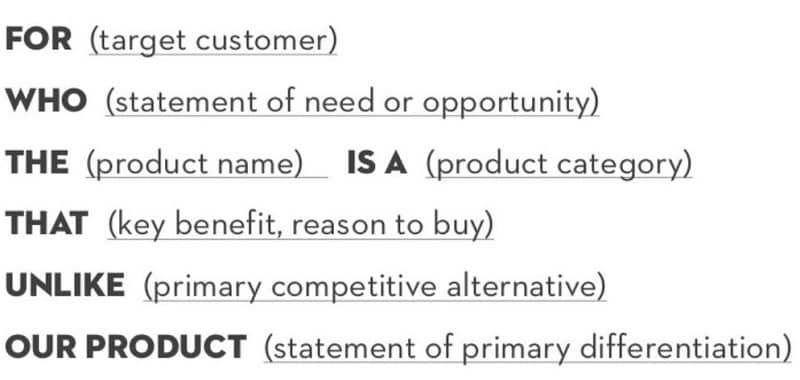
Start by describing the audience, the problem, and the intended value. A brainstorming session can help the team surface assumptions, but it should not turn the vision into an unprioritized feature list. Use questions such as these to make the direction concrete:
- Who is the product intended to serve, and in what situation?
- What useful outcome should those people be able to achieve?
- What evidence would indicate progress toward that outcome?
- Which alternatives do people already use, including manual workarounds?
- How does the opportunity relate to the organization’s goals and constraints?
A concise vision should give the team enough direction to make choices. If it could describe almost any product, add the audience and problem that make this one specific.
- Understanding Customers and Market
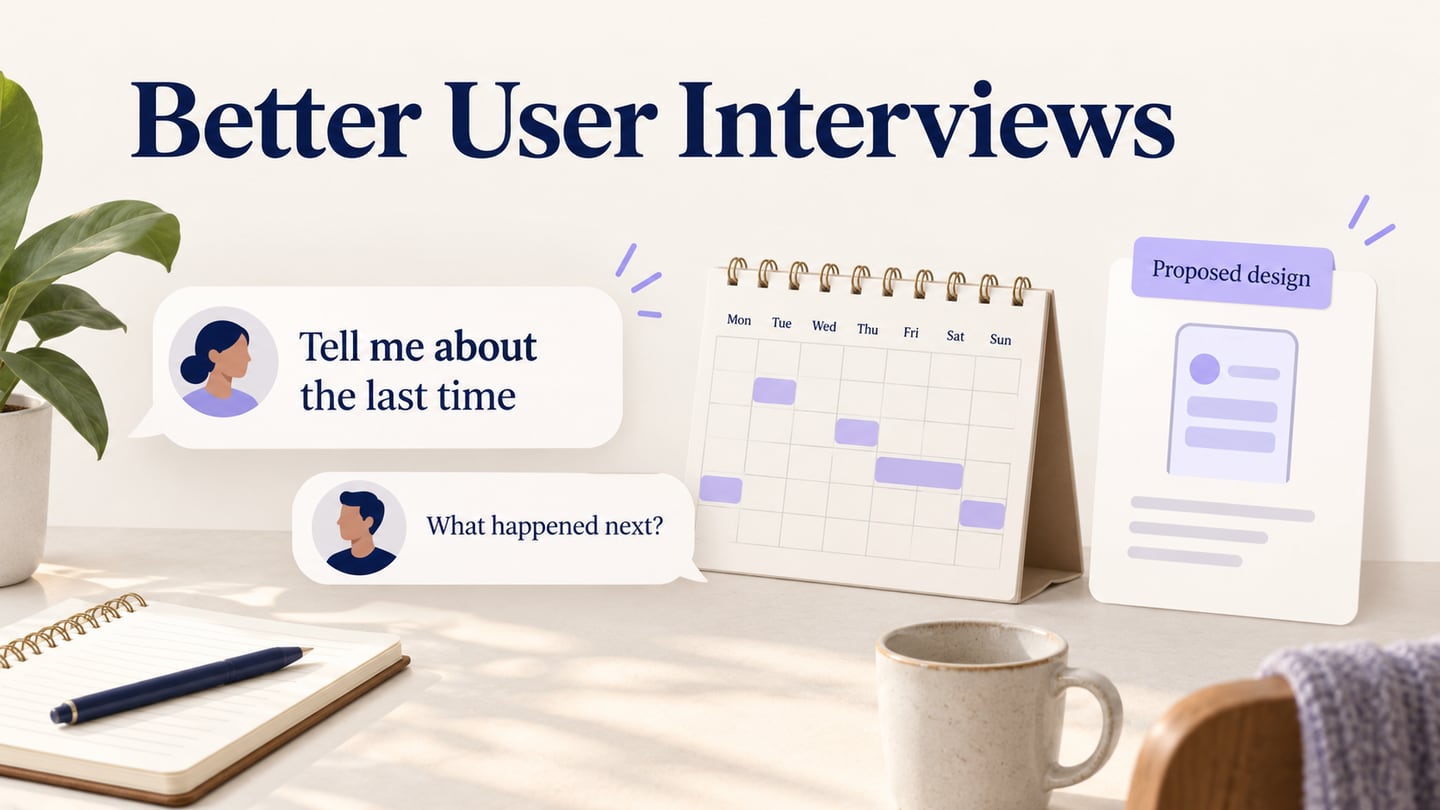
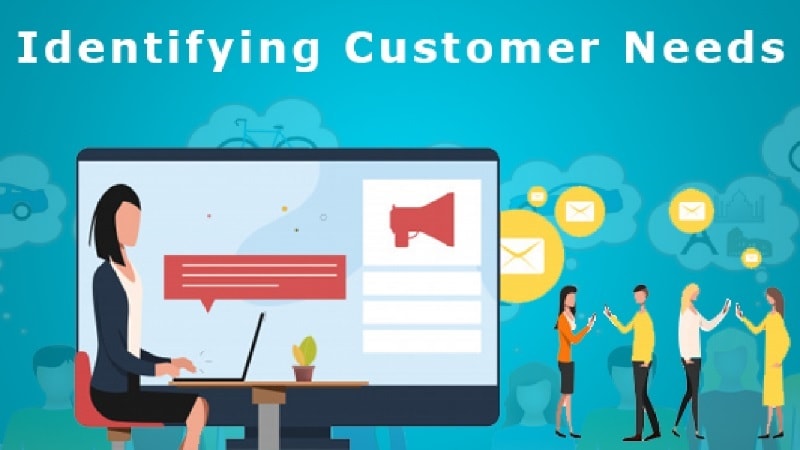
Research people and the context of their task rather than imagining a user from demographic labels alone. Combine direct conversations, observation, support evidence, and relevant market research. Note whose perspective is missing. A persona or audience summary is useful when it reflects evidence; it is not evidence by itself.
- Develop a Strategy
Combine what the team knows about the audience, the alternatives, and the business constraints into a set of choices. State the problems to pursue, the approach to investigate, and what is outside scope. Communicate the direction through a roadmap where useful, while keeping the evidence and tradeoffs available for discussion. Use RICE scores with explicit assumptions when comparing scoped initiatives against the same outcome.

- Product Development
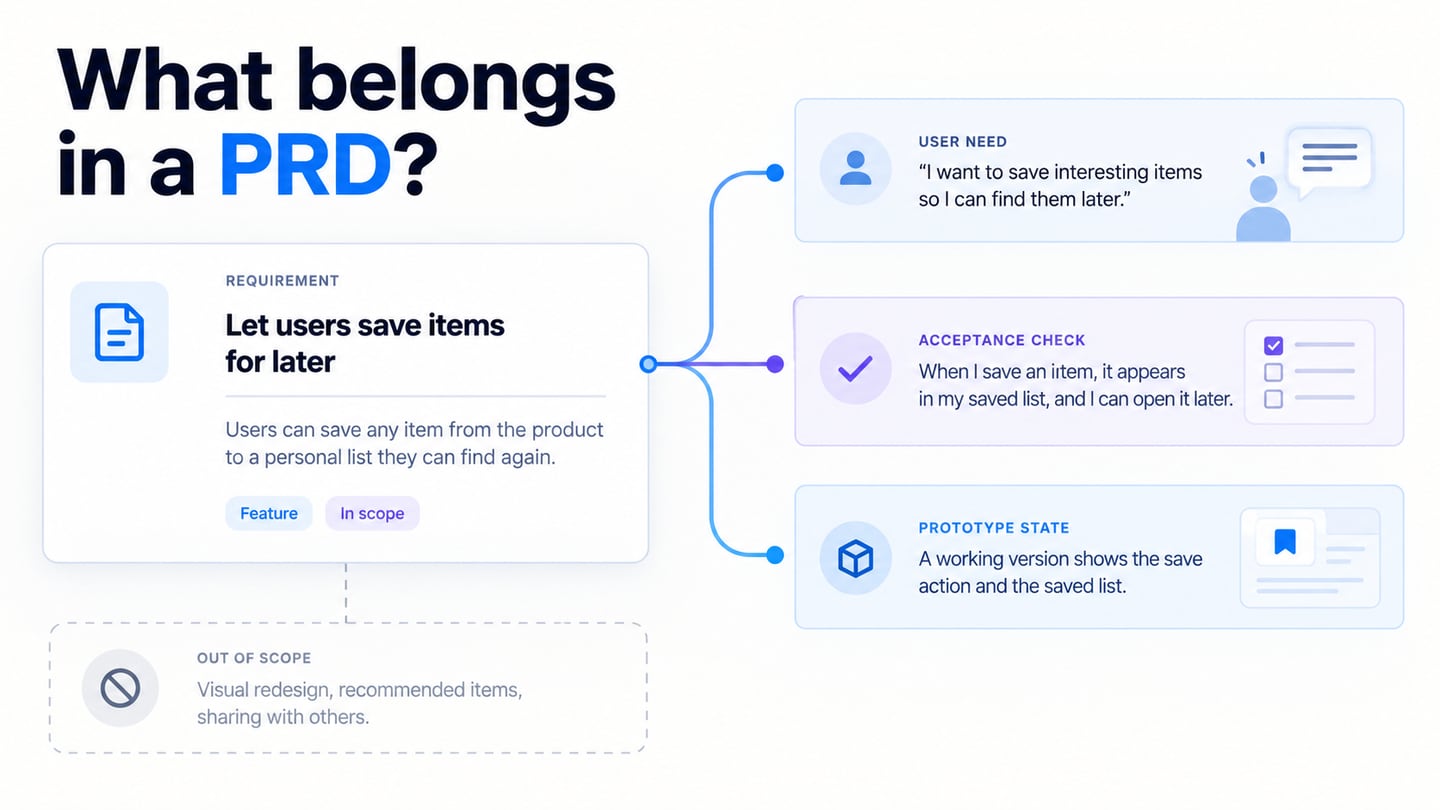
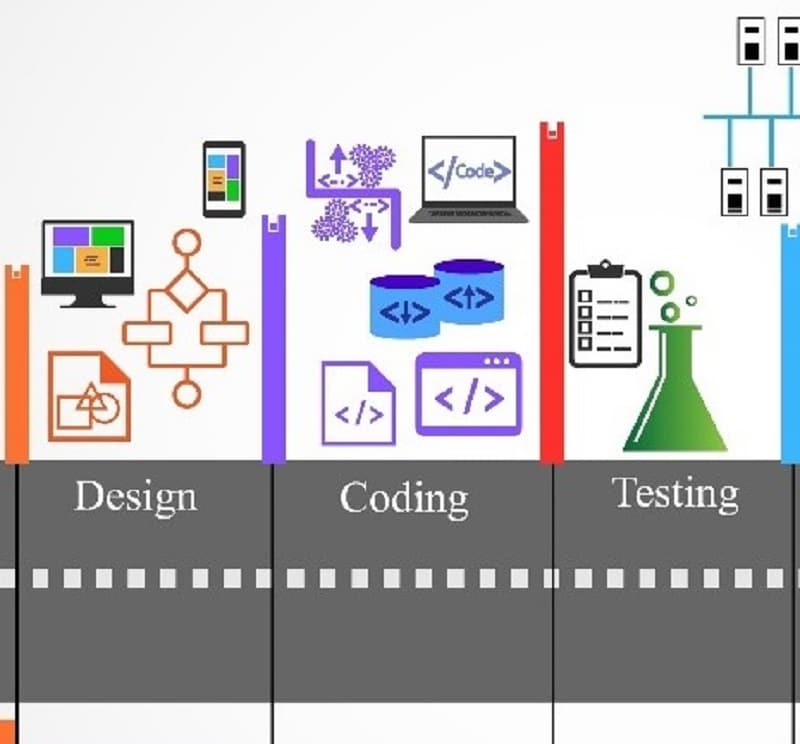
Work with the team to describe the proposed behaviour, constraints, and acceptance conditions. Prototypes and mockups help make an idea inspectable before or during implementation. Keep the design connected to the requirements and record unresolved questions; a document or prototype is not proof that the final system works.
- Marketing and Sales
Coordinate launch preparation with the teams responsible for marketing, sales, support, and operations. Clarify the audience, positioning, pricing where relevant, release scope, and support arrangements. Avoid making promises in launch material that the implemented product cannot meet.

- Track the Product's success
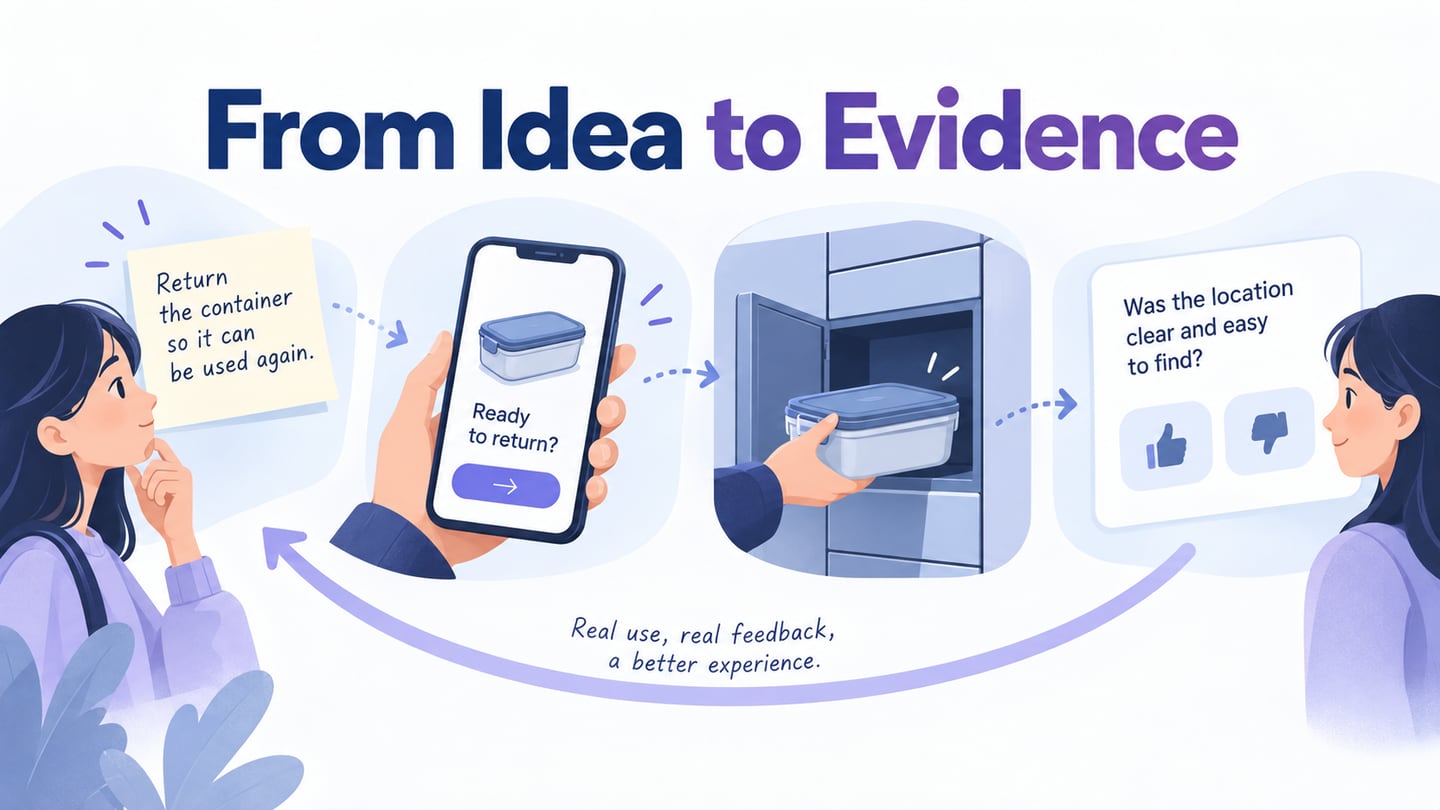
After release, examine evidence related to the original goal. Depending on the product, this may include task outcomes, repeated use, support requests, revenue, or costs. A number without a definition, time window, and relevant comparison is hard to interpret. Combine quantitative signals with qualitative evidence before deciding what to change next.
A product-management decision in practice
Imagine a booking service whose team is considering appointment reminders. A request for “more notifications” is not yet a product decision. Clarify who needs the reminder, what information they need, and what choices they should have. Check delivery responsibilities and any relevant privacy requirements with the appropriate specialists before setting the release scope.
The first prototype shows the appointment, the channel, the timing, and a visible choice not to receive the reminder. A reviewer can inspect whether “Email reminder: one day before” is understandable and whether the saved preference is visible. The prototype does not send an email; it makes the intended choice and feedback concrete.
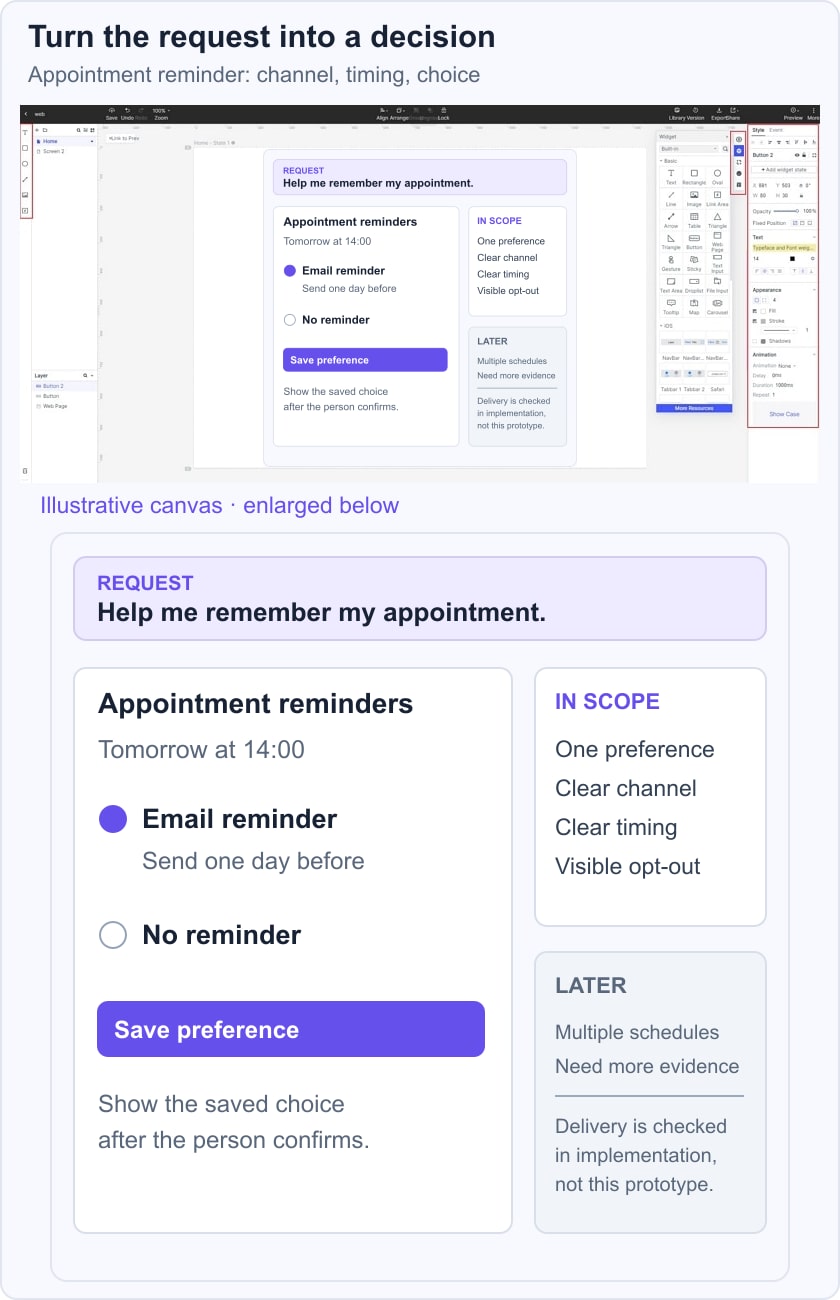
A small decision record might say: include one reminder preference, show the current setting after saving, and leave multiple reminder schedules for later investigation. Record why each choice was made and what still needs evidence. During implementation, separately verify delivery, changes to appointments, and failed sends. This keeps the product manager’s role focused on the decision and its outcome, rather than treating the prototype as the finished service.
Tools for product management
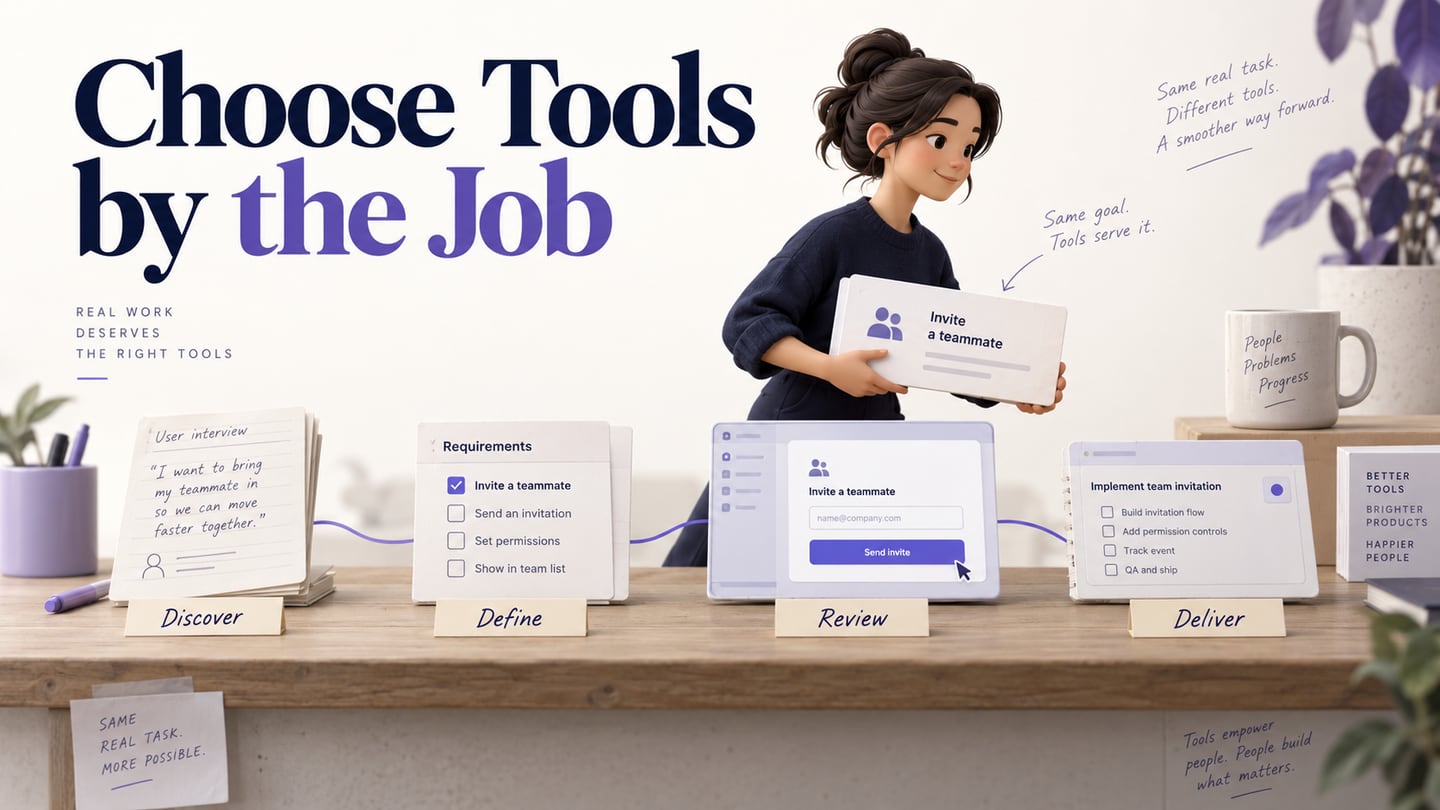
Choose tools according to the work: collecting evidence, prioritizing opportunities, writing requirements, exploring designs, tracking delivery, and reviewing results are different tasks. For the design and prototype part, Mockitt’s browser-based prototype editor provides components, connected screens, and shared review. A design tool supports those conversations; it does not replace the systems used to implement or operate the product.
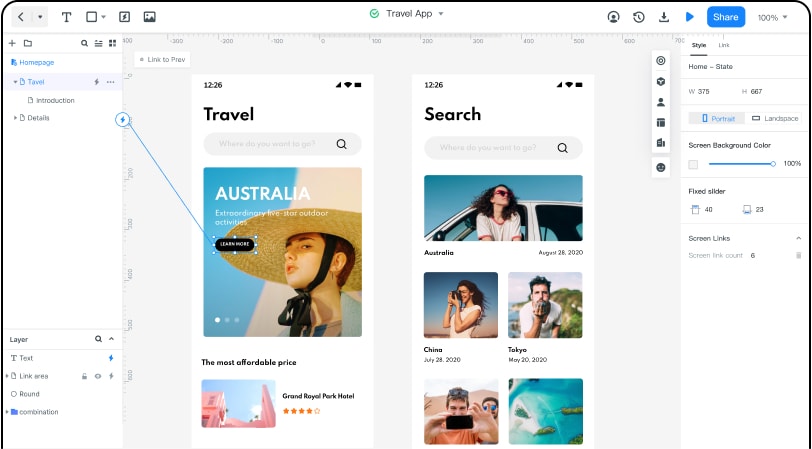
Mockitt capabilities that support product review
- Arrange components and screens to show the task the team intends to support.
- Use available UI resources as a starting point and adapt the labels, content, and states to the example.
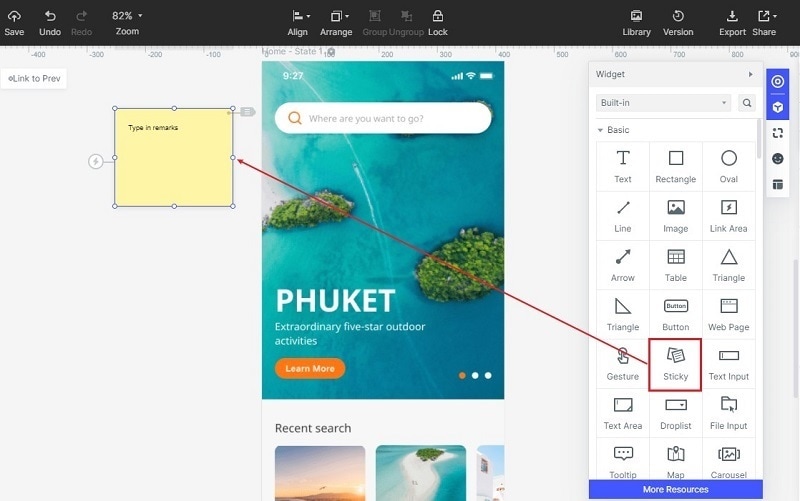
- Share the prototype and collect comments near the relevant screen or interaction.
- Connect actions and transitions so reviewers can follow the intended flow.
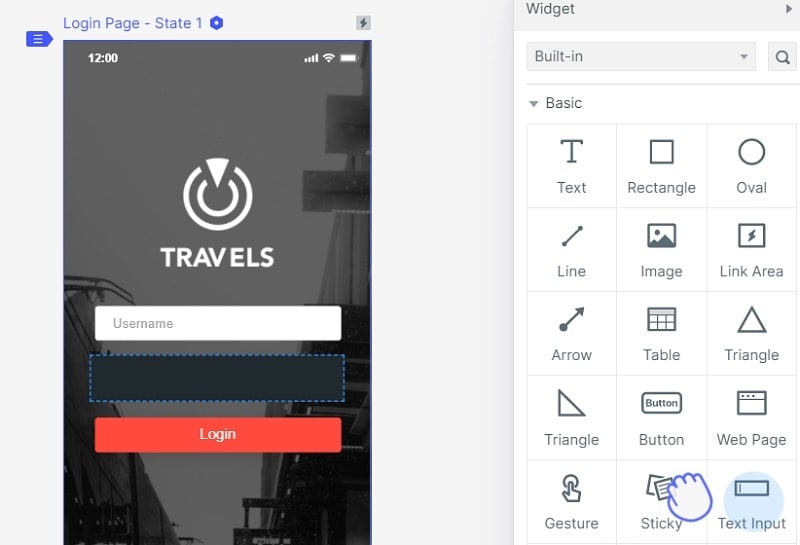
Using Mockitt within the product-management process
Keep each prototype review tied to a question, such as whether a person can explain the reminder setting they chose. Share the relevant screens with the team, capture specific misunderstandings, and record the resulting design decision. The retained images illustrate earlier Mockitt guide interfaces; use the equivalent controls in the current workspace rather than relying on historical panel positions.
Conclusion
Product management brings evidence, priorities, and delivery decisions together over the life of a product. The useful output is more than a list of features: the team should understand the problem, the intended outcome, the chosen scope, and the evidence still needed. Use the six activities as a way to keep those decisions connected, and revise them when the product or its audience changes.