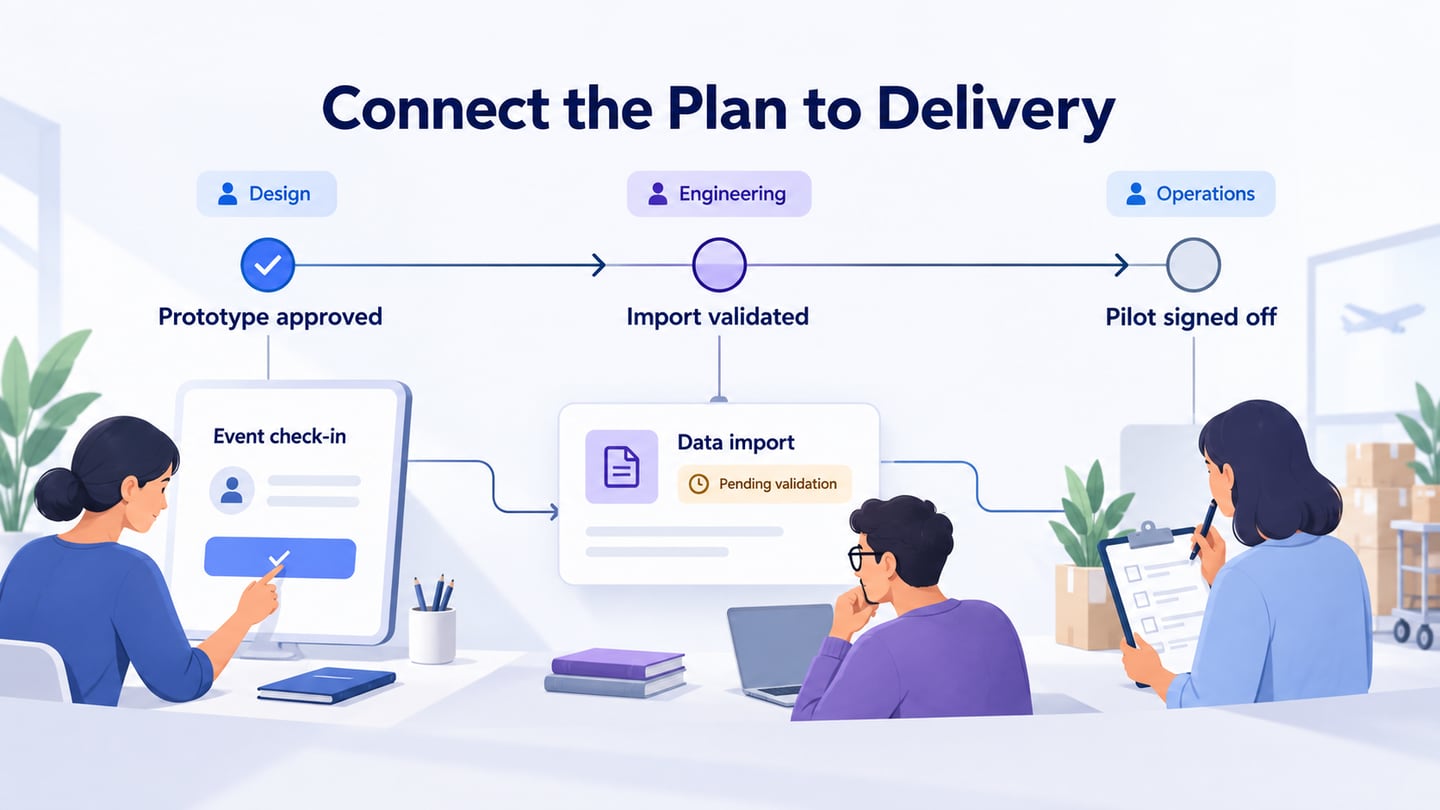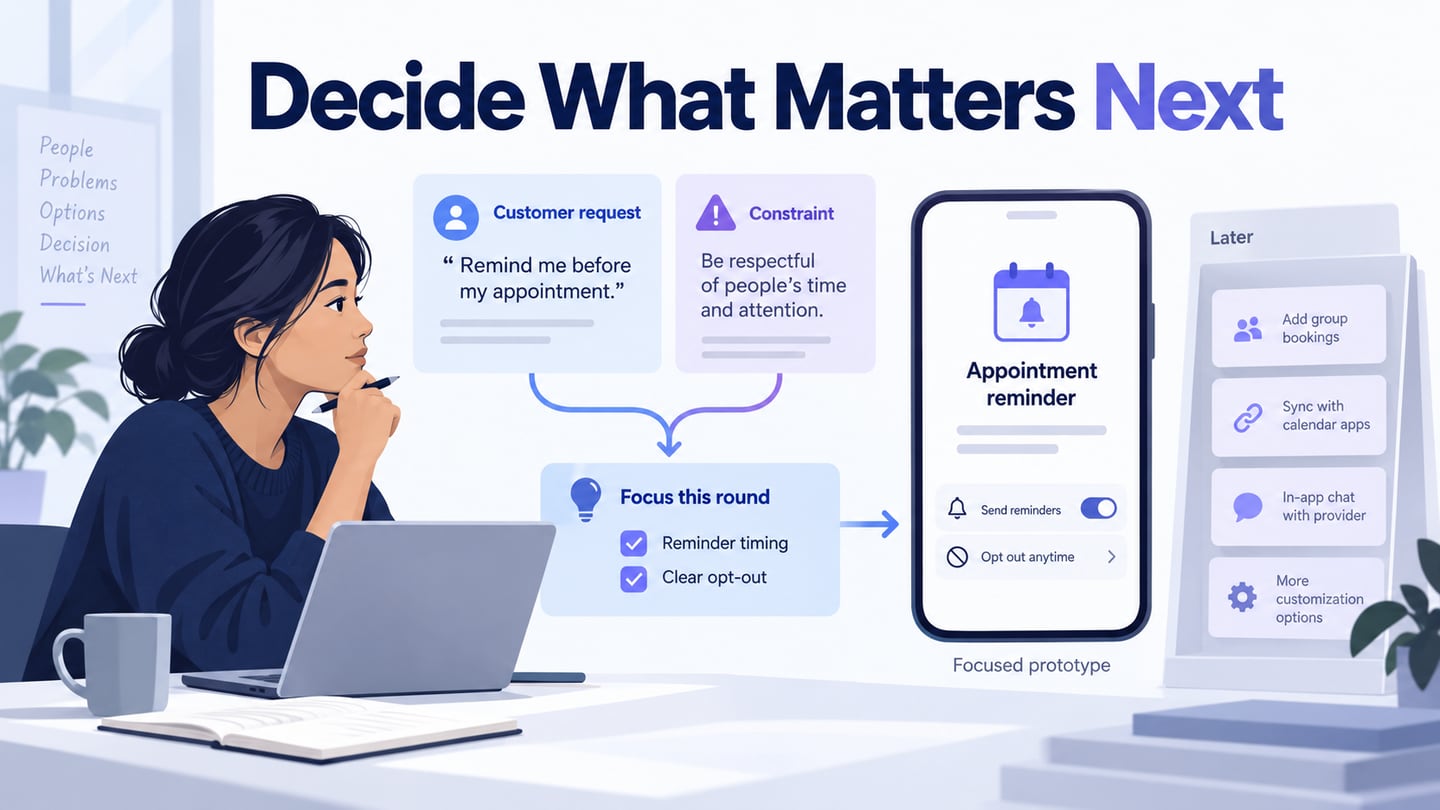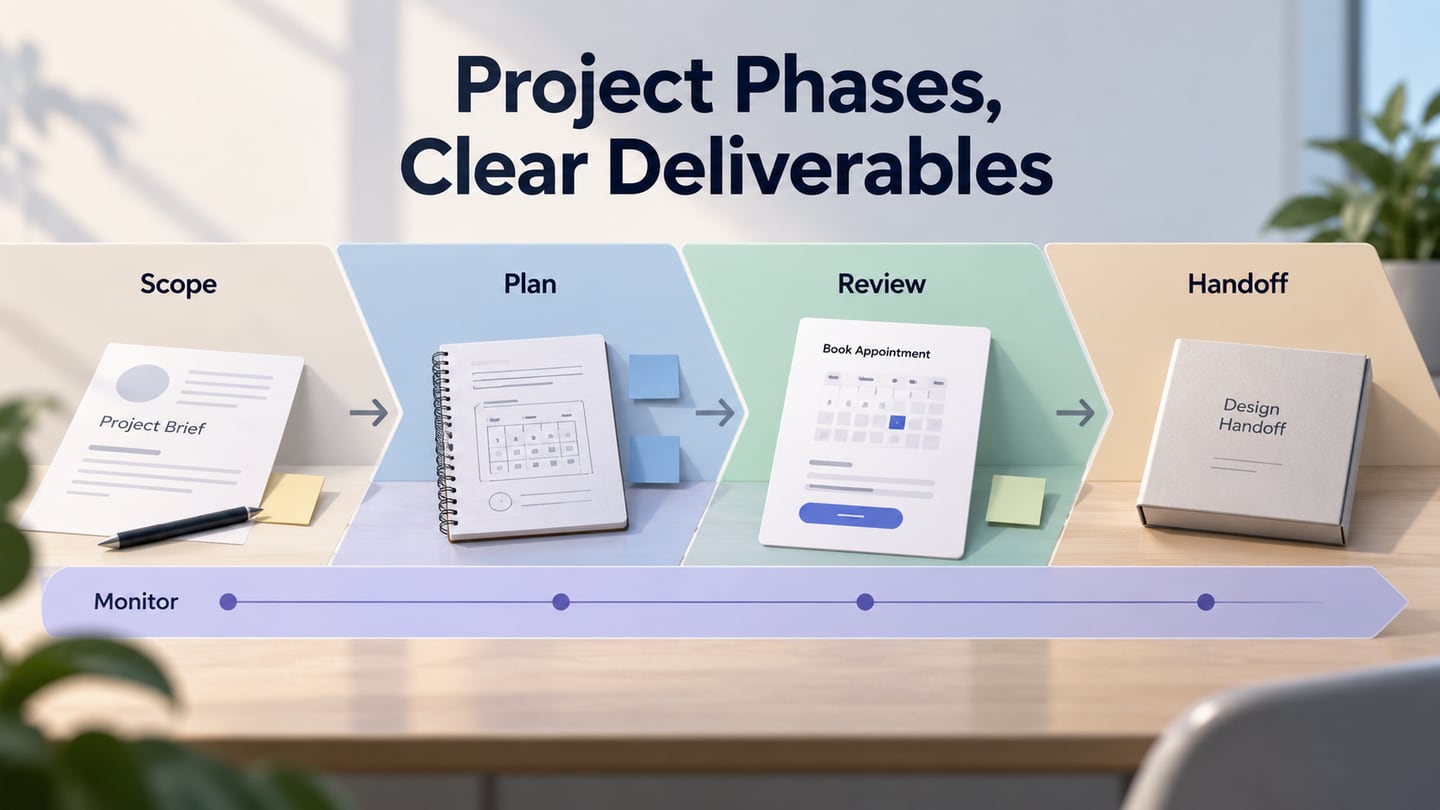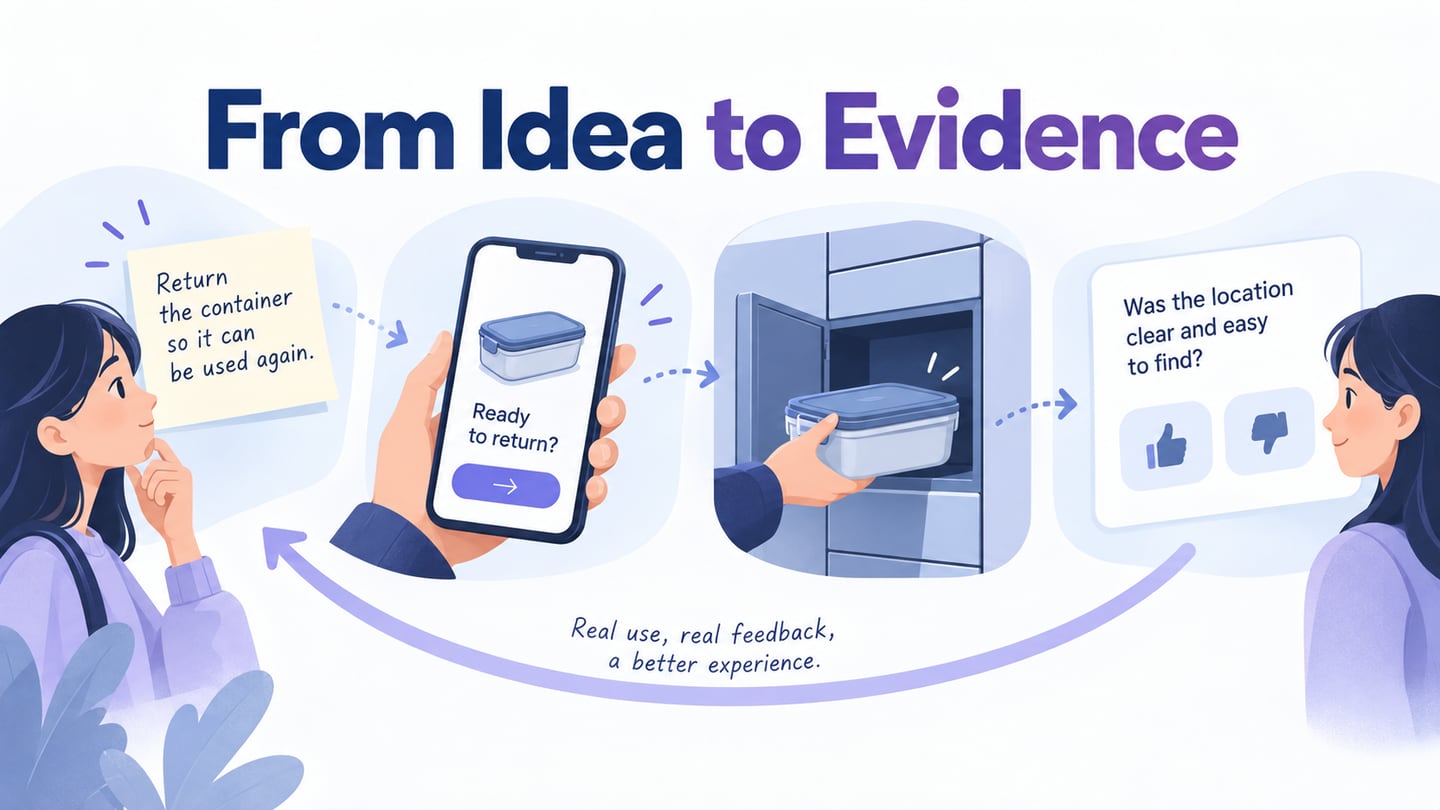
Product development turns an idea or improvement into something people can use. It includes understanding the need, deciding what to build, developing and checking the solution, and learning after release. Product design contributes the experience and interface decisions within that broader process; it does not replace engineering, operational preparation, or a viable business model.
This guide keeps five related questions separate: what product development means, what makes a product new, how strategy directs the work, how the market life cycle differs from development, and where a prototype is useful. The same terms can apply to physical products, digital services, and combinations of the two, but their delivery constraints differ.
What is Product Development?
Product development refers to the complete process involved in delivering a product from an idea or theory. It includes all the steps that are required to improve an existing product or bring a new one into the market. The methodologies under product development are utilized to build different new offerings and it supports various kinds of products, ranging from hardware to software.
A planned process helps teams investigate ideas and the people they are intended to serve. It makes assumptions visible before the team commits to a larger investment. Different organizations use different methods, and following a process does not by itself establish demand, usability, or commercial success.
The process varies by organization and product. Common activities include customer research, problem definition, exploration of alternatives, prototyping, implementation, validation, and release preparation. Teams may repeat these activities when new evidence changes the problem or exposes a constraint.
Introduction of New Product Development Process
New product development concerns a new offering or a substantial change to an existing one. “New” can mean new to the organization, new to a particular market, or meaningfully different for the intended users. Those situations require different kinds of evidence; a small interface revision does not carry the same uncertainty as a new service.
Competition, changing needs, operational problems, and new technical possibilities can all prompt development. Begin with the problem and the intended audience rather than assuming that a trend is a reason to build. Decide which evidence would make the team continue, change direction, or stop.
An organization might develop an offering it has never sold, adapt an existing product for another audience, or improve a current service. These are useful categories for discussion, not a universal sequence. For each option, examine how it changes the customer task, delivery effort, and risks.
Established companies, sole traders, and new businesses can all develop products. Some create a solution themselves; others license technology or work with a partner. Those arrangements still need clear responsibility for research, quality, support, and the promises made to customers.
Introduction of Product Development Strategy
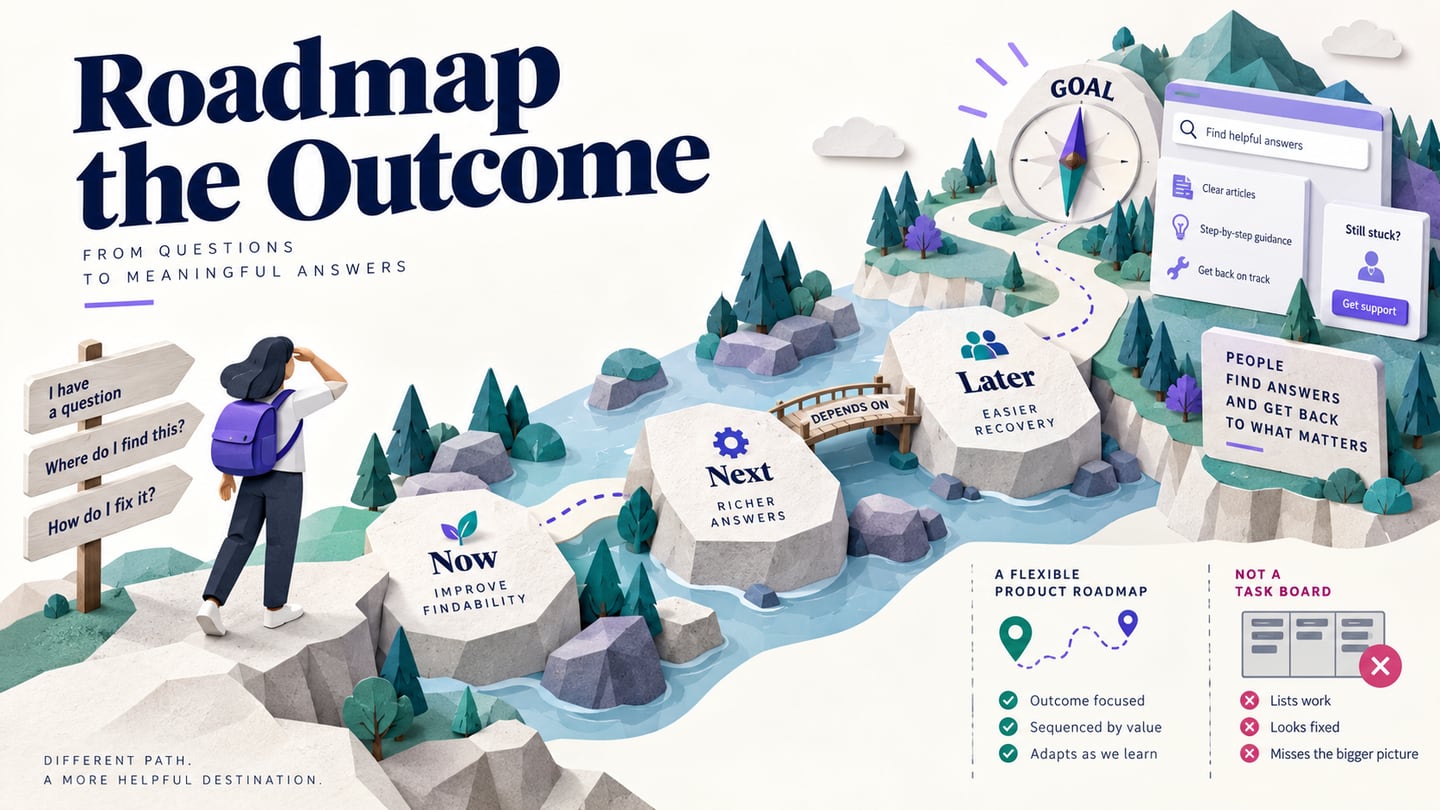
A product development strategy describes the audience, opportunity, intended outcome, and choices that guide investment. It connects the product vision with the work the team will investigate and deliver. It should also make constraints visible, such as cost, technical dependencies, service capacity, or a limited release scope.
The strategy helps a team choose between improving the current product, serving a different need, and exploring a new offering. It is useful throughout the product’s life, not only when growth slows. A list of features is not enough: explain why a particular problem matters and why the proposed approach is credible.
Possible choices include improving the current experience, adapting an offering for another audience, postponing work until a dependency is resolved, or discontinuing an idea. Record the reasoning and the evidence still needed. A decision not to build can be a sound outcome of product development.
Before committing, ask which user need the product addresses, what alternatives already exist, what makes the proposed solution useful, and which constraints could prevent delivery. Specify how the team will observe the outcome and what would change its decision. The Double Diamond framework illustrates why understanding a problem and exploring solutions involve both widening and narrowing the options.
A small development decision before a full launch
Imagine a team exploring a reusable lunch-container service. Its initial idea is an app with a map, loyalty points, and a social feed. The narrower question is whether a customer can find a suitable return point and understand what to do there. The first useful prototype needs a location choice and clear return instructions, not every proposed feature.
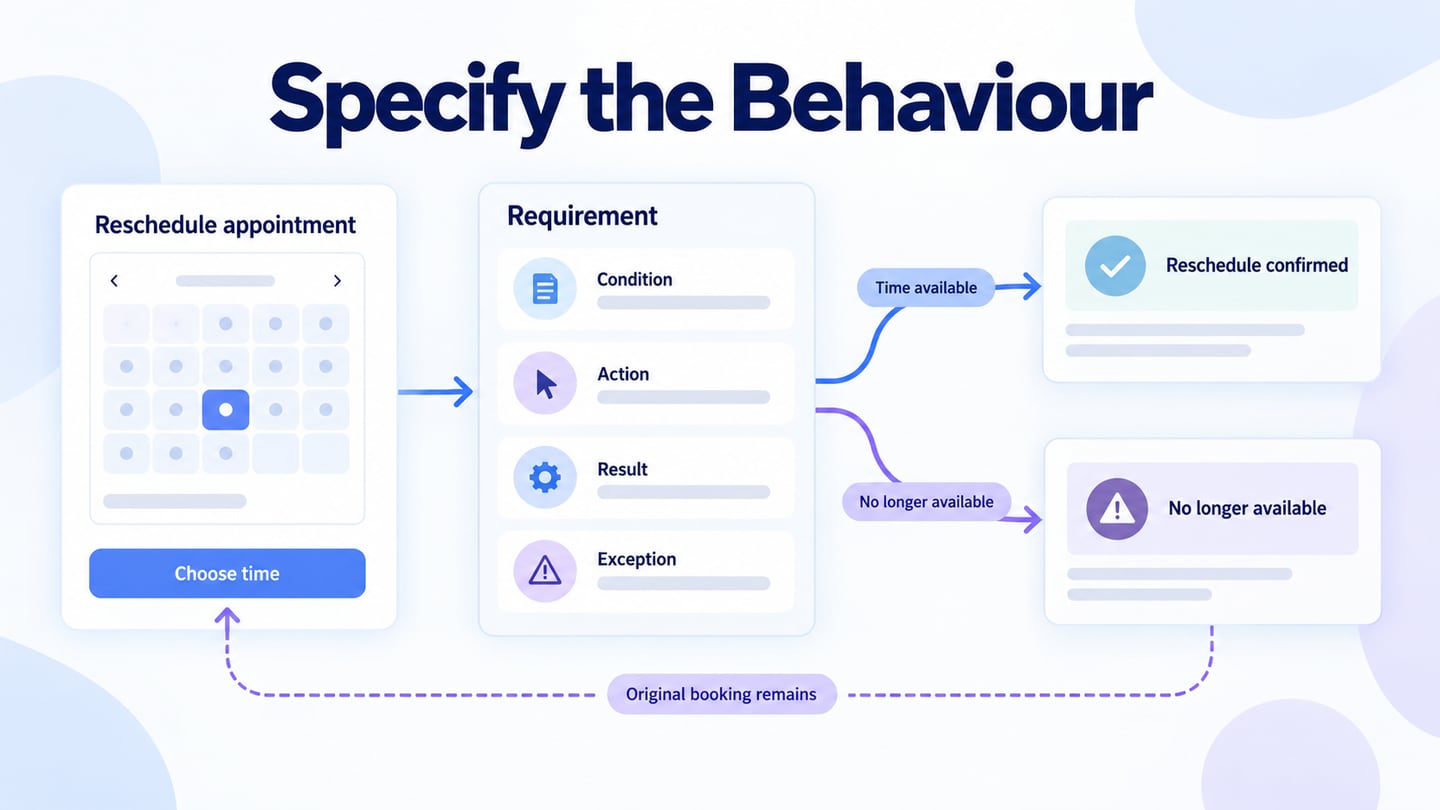
The prototype can help reviewers inspect whether the location choice and return instructions make sense. Show “Central Library,” opening hours, and a route to the instructions; include a closed-location alternative. Ask the reviewer which location they would choose and how they would return the container. The example is a planning exercise, not a report of a live service test.
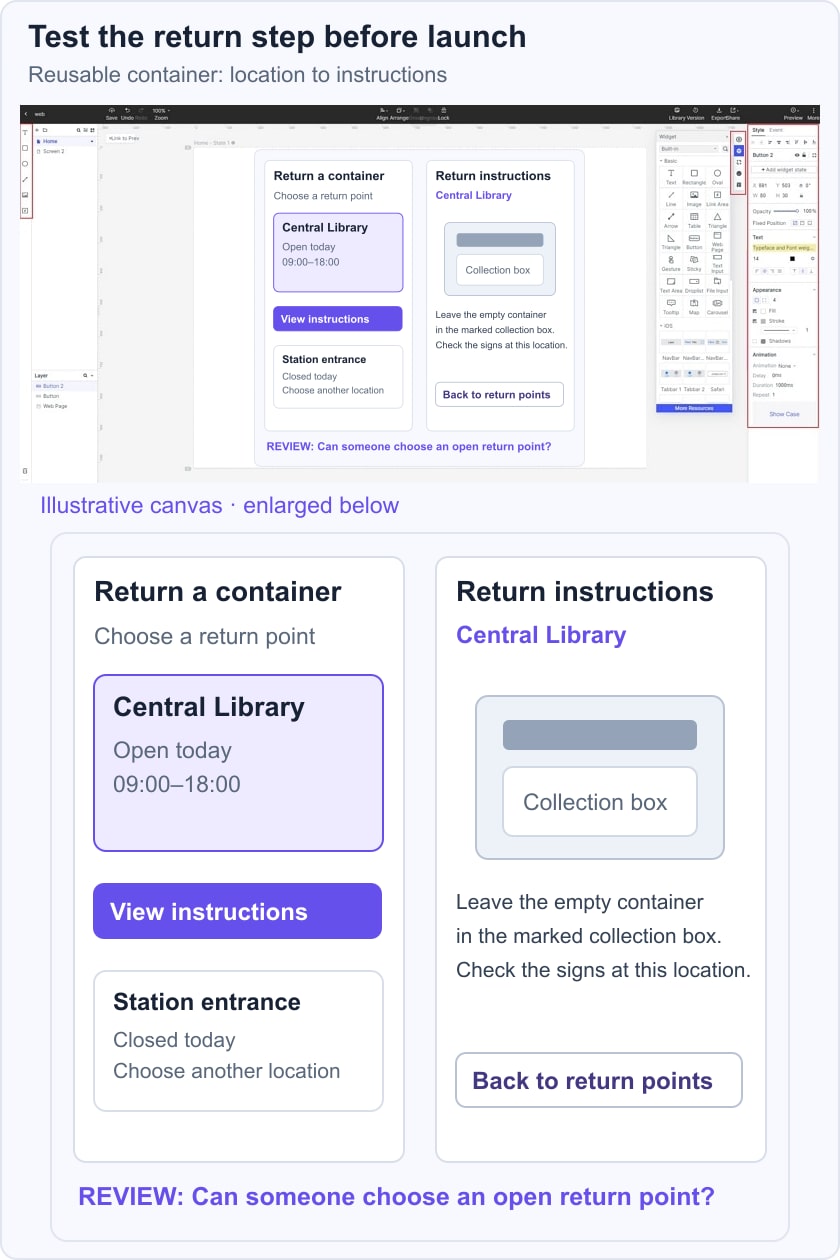
The team still needs evidence about collection capacity, cleaning, costs, and actual return behaviour. Keep those questions beside the interface work. A readable screen does not verify that a collection box exists or that the operating model is affordable. Before a larger release, identify who owns each unresolved question and what evidence they will collect.
Product Development and the Market Life Cycle
The market life cycle commonly describes introduction, growth, maturity, and decline. It concerns how an offering performs in a market; it is not the same as the steps used to develop and test it. Real products do not necessarily pass through these stages neatly, and growth or decline is not inevitable on a fixed schedule.
Before introduction: investigate the need, explore alternatives, and check the proposed solution. Customer interviews and prototypes can inform decisions, but they do not establish demand or implementation quality on their own. Use the evidence to define what a first release should include.
Introduction: make the offering available to its intended audience and prepare support, pricing, onboarding, and operational responsibilities. Promotion is one activity within launch preparation. Choose channels according to the audience and the service rather than treating one channel as universally suitable.
Growth: if adoption increases, review whether quality, support, and delivery capacity can keep pace. Marketing expenditure alone does not guarantee growth. Investigate which users receive value and which obstacles prevent continued use before expanding the offering.
Maturity: continue monitoring needs, competing alternatives, and the cost of operating the service. The team may improve the existing experience or investigate a new opportunity. Maturity is not proof that no further research or development is necessary.
Decline: investigate possible changes in demand, alternatives, economics, or the audience’s task. The response might be a revision, a narrower scope, a new offering, or an orderly retirement. Do not assume that adding features will reverse the situation.
Use a Prototype During Product Development
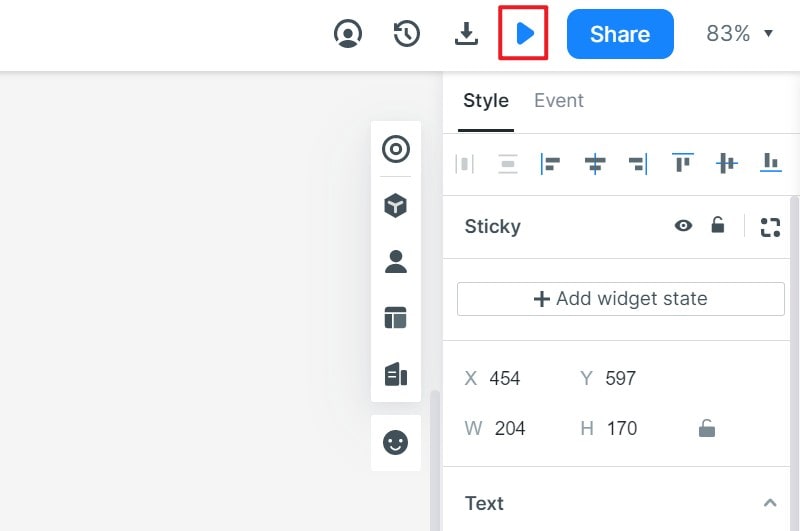
A prototype makes a proposed experience concrete enough to discuss. In Mockitt’s prototyping workspace, teams can arrange components, connect screens, preview the intended flow, and share it for feedback. This is useful for the return-point example because reviewers can inspect the path before the service and its supporting systems are implemented.
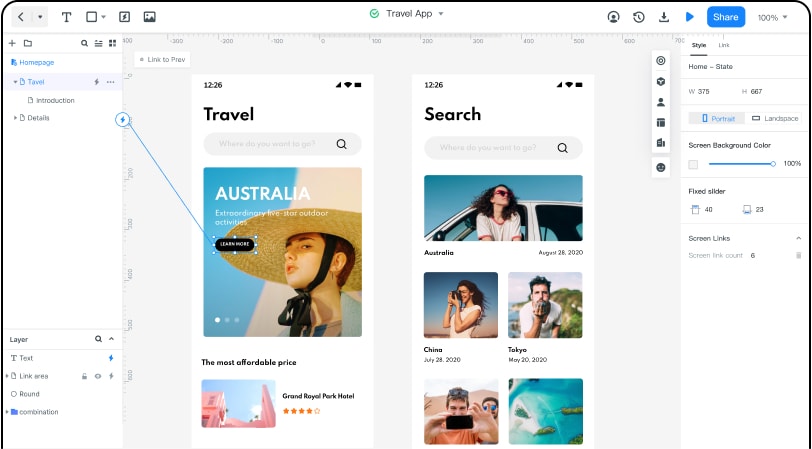
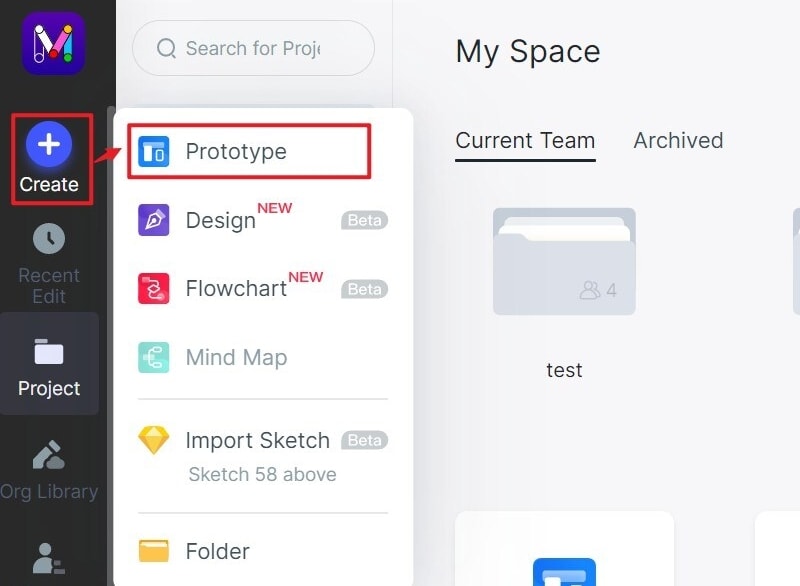
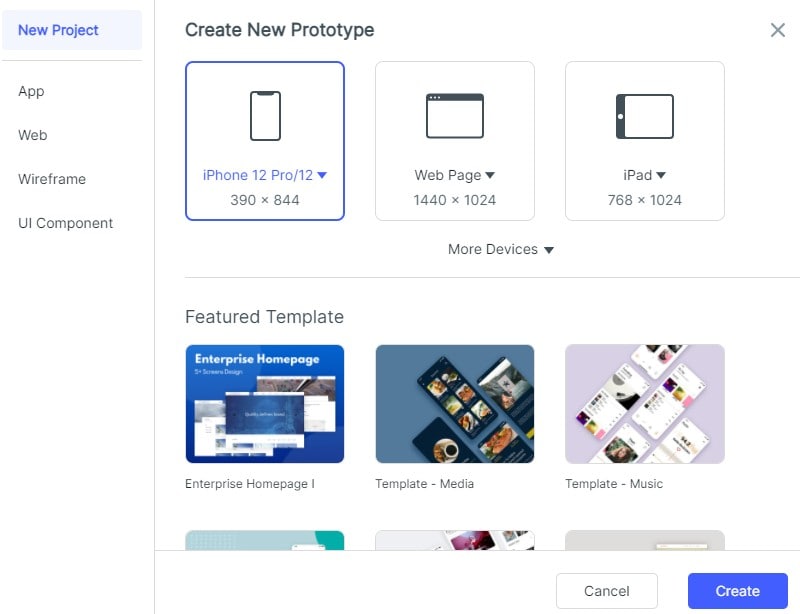
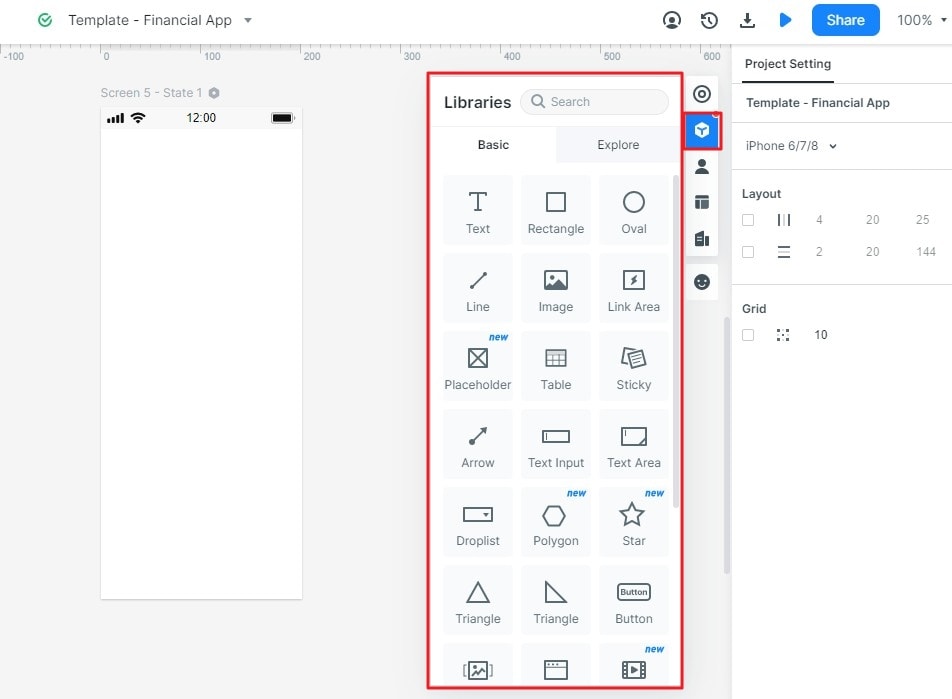
The retained guide images show an earlier Mockitt interface. They illustrate project setup, components, and preview; the exact labels and panel positions can differ in the current workspace. Follow the task and use the equivalent controls available to your account.
Step 1. Create a prototype project. Name it after the decision being reviewed, such as “Container return: choose a location.” Keep the scope small enough that a reviewer can follow the task.
Step 2. Choose a screen size. Use the device context in which the task is likely to happen. For the return service, a mobile screen is useful when someone is already outside with the container.
Step 3. Add the necessary screens and components. Include the return-point list, location details, instructions, and a route back. Use realistic fictional content so the review does not depend on explaining placeholder labels.
Arrange text, buttons, and other components around the information needed for the decision. For example, a location name without opening hours may not help someone choose an available return point. Connect the action to the intended screen and include an unavailable-location state.
Step 4. Preview and share the flow. Walk through the task, then invite a reviewer to try it without coaching. Record unclear instructions and missing states. Share the reviewed prototype with the delivery team together with the operational questions that remain open.