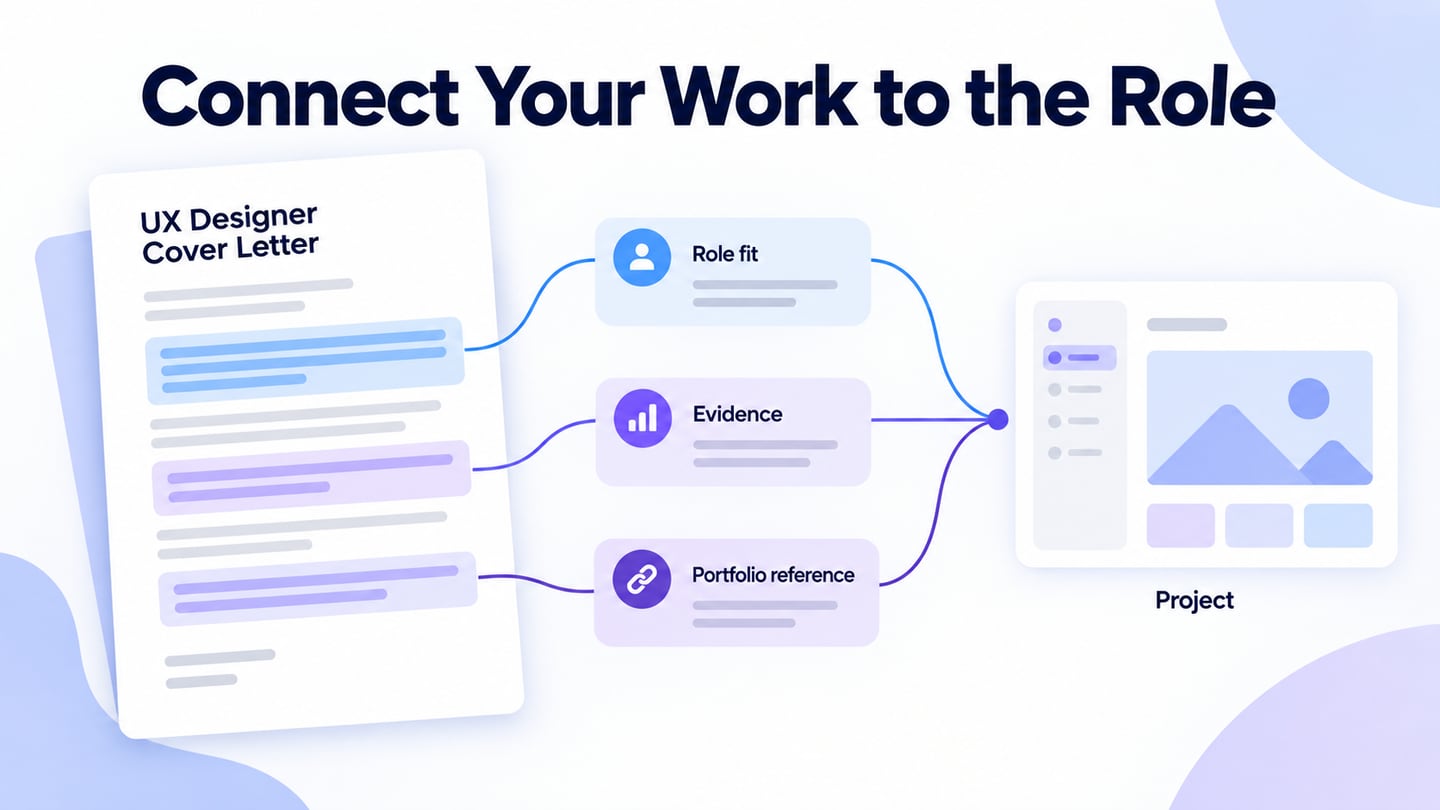
To be more creative at work, define the problem, separate fixed constraints from assumptions, generate several genuinely different approaches, and try a small version of the most promising one. Creativity is easier to use when ideas have a place to go: a sketch, a short experiment, or a decision the team can make. For interface work, you can turn selected ideas into screens with Mockitt’s design tools and compare how they support the same task.
Suppose your team is improving the way employees request a meeting room. People often discover a capacity mismatch after choosing a time. Instead of simply making the existing calendar prettier, explore different ways to help them find a suitable room. This fictional example runs through the exercises below; it is a way to practice, not a claimed result from a live product.
Separate fixed constraints from assumptions
Constraints do not all deserve the same treatment. Privacy, safety, accessibility needs, and a real deadline cannot be wished away. Other limits may be assumptions: “We have always started with the calendar,” “Every result must be on one screen,” or “Nobody will use a list.” Challenge those assumptions while keeping the nonnegotiable requirements visible.
For the meeting-room task, write two columns. Fixed constraints might include showing actual room capacity and preventing conflicting reservations. Assumptions might include asking for a room before asking how many people will attend. Change the order of those questions in a sketch and see whether it reveals a more useful route.
During an idea session, you can temporarily suspend a preference to explore an alternative. Before choosing that alternative, bring the real constraints back. An attractive concept that cannot protect booking data or explain availability is not ready to become a solution. If the boundary is unclear, ask the person responsible rather than silently treating it as optional.
Use a process to create options, then narrow them
A process can make room for creative work by separating exploration from judgment. The Design Council’s Double Diamond describes discovering and defining a problem, then developing and testing possible answers. It does not require every project to follow a rigid schedule.
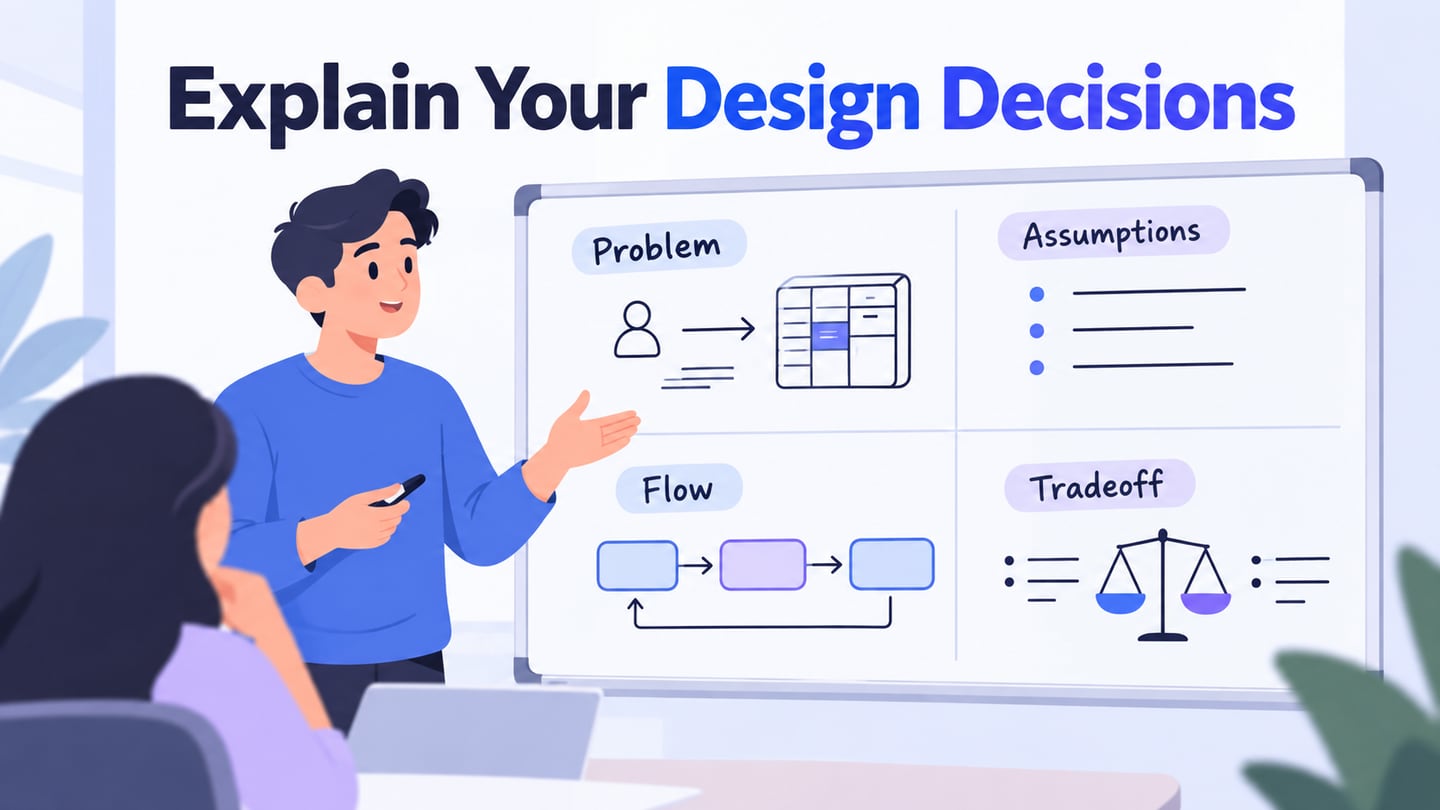
Try a short exercise with a specific output. First, have each participant sketch an approach independently so the first person to speak does not set the entire direction. Then compare the ideas against the task. Finish by choosing what to investigate, not by declaring a favorite drawing “the winner.”
- Frame: write “Help an employee find a room that fits the group and time” at the top of the page.
- Explore: sketch three different starting points: time first, group size first, and a list of suitable available rooms.
- Compare: discuss what each approach makes easier, what it hides, and what information it needs.
- Try: build only enough of one route for someone to attempt the booking task.
The value is the difference between the alternatives. Three color schemes for the same confusing sequence do not explore three solutions. Save visual styling decisions for when they are the actual uncertainty.

Move between the whole task and one detail
Zooming out helps you see whether you are solving the right problem. Zooming in helps you see whether a proposed interaction actually works. Alternate deliberately rather than inspecting every detail with equal effort.
At the task level, trace what happens before someone opens the booking screen and after they reserve a room. They may need to know the group size, locate equipment, or tell colleagues about a changed location. At the detail level, inspect one moment: how does the interface explain that a room holds four people when the group has six?
A concrete mismatch can lead to a different idea: filter by capacity before showing rooms, show unsuitable options with an explanation, or suggest another time. Return to the whole journey to check the consequence. Does that improvement make changing the meeting time unnecessarily difficult? Creativity becomes useful when a local improvement still fits the complete task.
Record enough context to use an idea later
A notebook or shared board keeps an unfinished idea from disappearing, but a title alone is often too vague to reuse. Record the problem, the proposed change, the assumption behind it, and the smallest way to learn whether it helps. Keep an “explore later” area so a useful thought does not derail the current task.
| Idea record | Meeting-room example |
|---|---|
| Observed problem | People choose a time before learning that available rooms are too small. |
| Proposed change | Ask for group size before showing room choices. |
| Assumption | The organizer knows the approximate group size at the start. |
| Small trial | Walk through two booking scenarios using prepared screens. |
| What to observe | Whether the person finds a suitable room and can change the group size. |
| Reason to reconsider | The extra question blocks people whose attendance is still uncertain. |
This record also improves collaboration. A colleague can challenge the assumption or suggest a cheaper trial without guessing what you meant. Distinguish ideas from observations: “People would love this” is a prediction, while a participant’s difficulty finding capacity information is evidence from a particular session.

Use breaks to change how you approach the problem
If you are repeating the same solution without learning anything, work through the creative block instead of forcing more variations. Before stepping away, write the question you have not resolved. When you return, change one condition: examine a different user’s situation, look at the complete journey, or ask a colleague to explain the problem back to you.
A short break is an option for managing your work, not a guaranteed creativity technique or a treatment for stress. People and working conditions differ. If the problem is an impossible workload or contradictory requirements, the next step may be a discussion with the team rather than another personal exercise.
For the booking example, you might return and explore a person arranging a recurring meeting instead of a single event. That reveals a new constraint: one room may not be available every week. Write down the implication without expanding the current project automatically. Decide whether it belongs in the present scope or a later design task.

Choose an idea by what it helps someone do
Before investing in a concept, return to the intended result. “Make the booking page more creative” is difficult to evaluate. “Help an organizer find a suitable room and understand what has been reserved” gives you a practical basis for choosing among alternatives.
Compare ideas using a few explicit questions: Does the route support the task? What data does it need? How does it handle unavailable choices? Can someone change their answer? What would make it difficult to build or maintain? Do not turn a speculative numerical score into proof. Use the comparison to identify the next uncertainty to investigate.
For a first trial, prepare a successful booking and one room-unavailable state. Ask someone to choose a room for a stated group size and time, then change one requirement. Watch where the design loses the context. A clickable prototype can expose misunderstandings about the proposed sequence, but it does not verify real calendar integration or availability rules.
Decide what to keep, change, or discard after the trial. Record the reason, including any disagreement that still needs evidence. Keeping every idea alive indefinitely makes the work harder; rejecting an idea with a clear reason is part of the creative process.

Make the next experiment small enough to try
Choose one real problem this week, or use a focused design challenge to practice. Write the fixed constraints, sketch alternatives that differ in behavior, and keep a short idea record. Select a small trial that answers one important question. Useful creativity leaves the team with a clearer decision or a better question, even when the first idea does not work.